
 E-Paper



Need to make cities pedestrian friendly
Pedestrian demands are limited, but by no means insignificant when it comes to mobility planning — accessible, unobstructed, levelled and continuous walkways.

 Prefer HTon Google


Indian cities, including the national capital, are increasingly becoming uncaring of pedestrians, as this newspaper reported on Monday. Pedestrian demands are limited, but by no means insignificant when it comes to mobility planning — accessible, unobstructed, levelled and continuous walkways. Yet, India’s mobility infrastructure seems to ignore such needs, apart from infrequent afterthoughts in some cities. It is perplexing why civic administrations fail to provide for walkers in India’s cities. Unlike roads, highways, and expressways that now overwhelmingly cater for private vehicular traffic (funding for the roads sector has increased phenomenally over the last couple of decades), footpaths don’t need large investments. Neither are they complicated civil construction work. Yet, civic agencies rarely get factors determining pedestrian friendliness — such as dimensions and accessibility — right. The less said about maintenance and upkeep, the better.
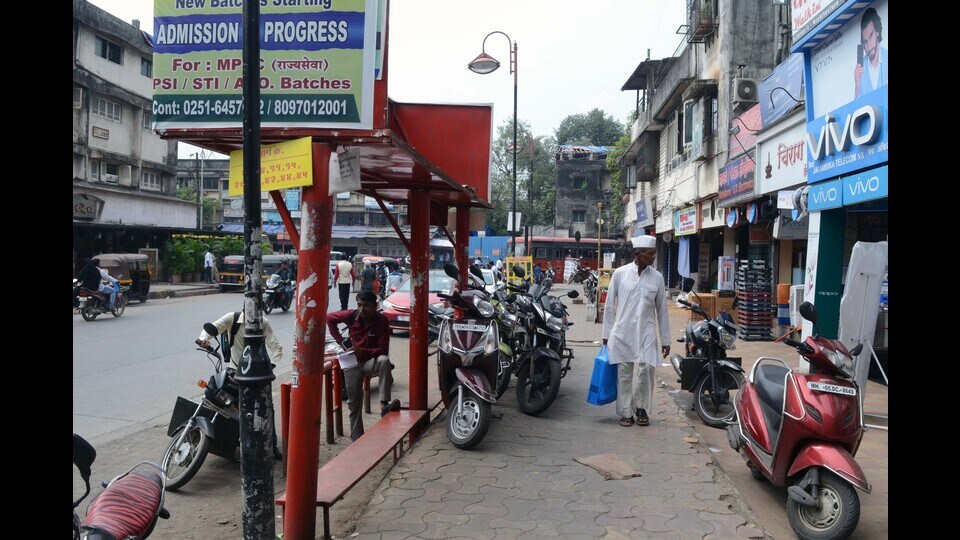
Walking infrastructure is a sorry state for multiple reasons. First, pedestrian needs are easy to overlook. They don’t have the heft of private-vehicle owners to influence policy. As a result, while the demand for wider roads gets political attention, well-designed walking space remains a fringe concern. Moreover, the powers that be, including those making and executing civic policies, have a clear disconnect with pedestrians, rarely having to walk anywhere. Second, a multiplicity of civic governance authorities means routine digging of footpaths and road-cutting even as no one takes ownership of repair. Third, whatever infrastructure is available is often hijacked for parking, vending, etc.
The solutions are straightforward, subject to political and administrative intent. To start with, Indian Road Congress standards for pedestrian infrastructure must be adhered to strictly. Parking policies on paper must be implemented to declutter the cityscape, including footpaths. Multiple civic agencies must be brought together — Bengaluru’s Tender SURE attempts this — to ensure road cutting is minimised. Walking infrastructure can’t remain no one’s baby any longer.


