
 E-Paper



Supreme Court raises the bar
SC’s emphasis on transparency in appointments and personal assets of judges sets an example for other public institutions

 Prefer HTon Google


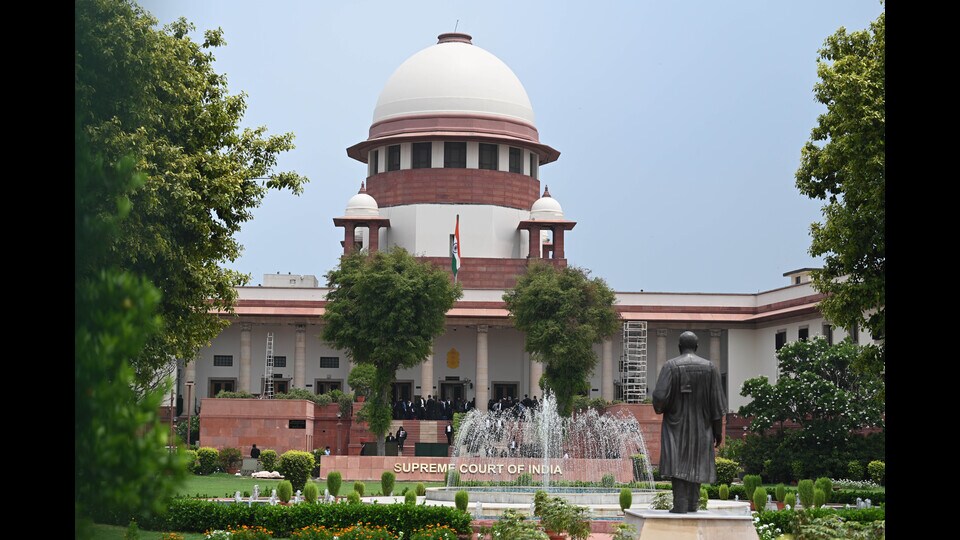
The Supreme Court’s decision to make public the assets held by 21 of its 33 sitting judges and publish the entire process of appointments to high courts for the past four years is unprecedented and a welcome step towards judicial transparency. It comes at a time when the court’s public (and deserved) reputation of unimpeachable integrity is under a cloud over allegations of a massive cash haul being recovered at the residence of then-Delhi High Court judge, Justice Yashwant Varma. Varma has since been transferred to the Allahabad High Court.
The developments — signed off by the full court — hold three broad takeaways. First, the public listing of asset details of 21 of the 33 sitting judges, including Chief Justice of India Sanjiv Khanna and the next three chief justices-in-waiting, will boost public trust in the higher judiciary, one of the few institutions in India that remains unsullied by financial impropriety scandals. The remaining disclosures, according to the court, will be made public as and when the current statement of assets is received. This should both be expedited and made a part of the system, not an ad hoc measure.
Two, publishing the developments that lead to collegium decisions —including the roles assigned to the high court collegium, the role and inputs received from the state and Union governments, and consideration by the Supreme Court collegium — pulls the curtain back on a vital but largely opaque system. At a time when the executive and the judiciary have often not been on the same page when it comes to collegium recommendations, these disclosures are important for the public discourse. Moreover, details about the gender and caste composition of the judicial recommendations and appointments will shed precious light on the myriad social biases that may have crept into the process — something that this newspaper has pointed out earlier.
Most importantly, making public the details about the candidates recommended for judgeships and whether their family members are or have been judges of high courts or the Supreme Court can put the spotlight on the widely speculated but unfortunate perception of nepotism that hurts the reputation of the judiciary.
The move ushers in much-needed judicial transparency at a time when the institution is battling questions of propriety over post-retirement positions, money, and political power, and sitting judges are either expressing political opinions or delivering communal remarks. It will reaffirm the public’s faith in courts and bolster its moral authority. Further reform, including details of Supreme Court appointments, will be welcome. The top court has received a probe report on the allegations against Justice Varma. Making that document public should be the next step.


