
 E-Paper



UPI: To charge or not to charge
A micro-charge may make it more viable and keep it going — without losing its popularity

 Prefer HTon Google


From less than a crore in monthly transactions in July 2016, the value of United Payments Interface (UPI) transactions has grown to ₹10.6 lakh crore in July 2022. This is a story unmatched in the world in terms of not just numbers but also vision. Even advanced countries look up to India for the pioneering role it has played in the next stage of the financial inclusion and fintech revolution. Not only do the poor in India have access to banking, they also using cutting-edge technology to conduct their day-to-day transactions.
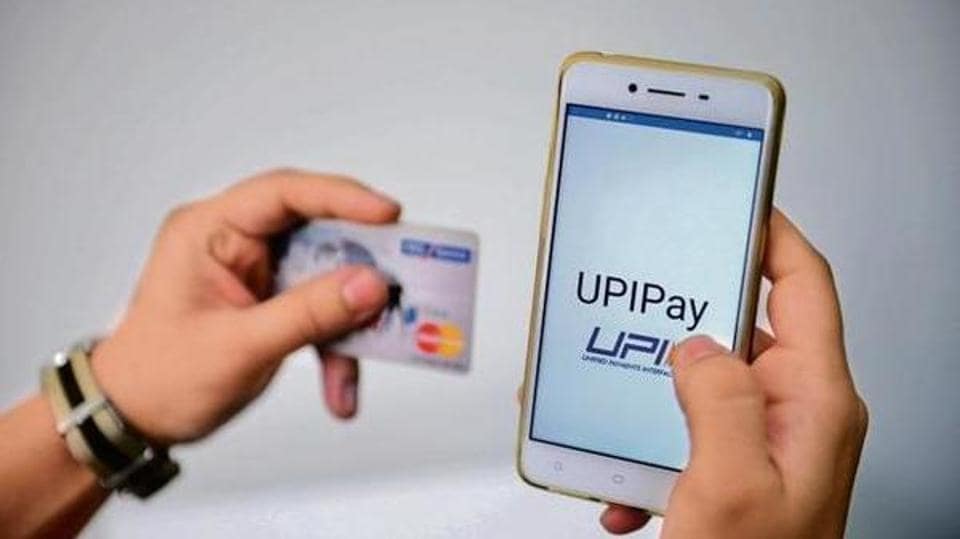
A lot of factors have gone into the stellar success of UPI. The Jan Dhan Yojana that focuses on no-frills bank accounts is one. The rapid spread of the mobile internet is another. And the government’s nudge towards cashless transactions in the aftermath of demonetisation has also helped. Success stories in modern capitalism cannot be taken as eternal. Unless an economic revolution keeps pace with the process of what Austrian economist Joseph Schumpeter described as creative destruction, it is bound to lose relevance and viability. This can only happen when those in leadership positions have the foresight to invest adequately in future growth and innovation.
It is in this context that we need to the see the debate on whether UPI payments should attract a service charge or not. An RBI paper brought up this question last week and the finance ministry has moved in to dismiss the idea, perhaps pre-empting a political backlash. “The concerns of the service providers for cost recovery have to be met through other means”, the ministry said in a tweet on August 21. The ministry’s view may be driven by prudence, but it also needs to look at the challenge of sustaining the digital payments revolution, and perhaps India the global leader in this realm. That requires continued innovation. The reluctance to charge for UPI transactions is also a bit strange, given the high volumes. Even if UPI transactions were to be charged at the rate of 1 paisa each, it would have generated revenues of ₹5,842 crore in the year ending July 2022. The economic burden on users will of course be negligible; as low as ₹10 for a thousand UPI transactions. A token charge on UPIs to promote future growth, innovation, and improvement may be the best way to send the message that there are no free lunches in the world.


