In India, population debate is a sensitive subject. While many argue that a rising population is hobbling development, others think it is a dividend that governments have failed to harness. This debate, which often acquires a political-religious colour, gathered steam this week with a United Nations report that said India may surpass China as the world’s most populous country in 2023.
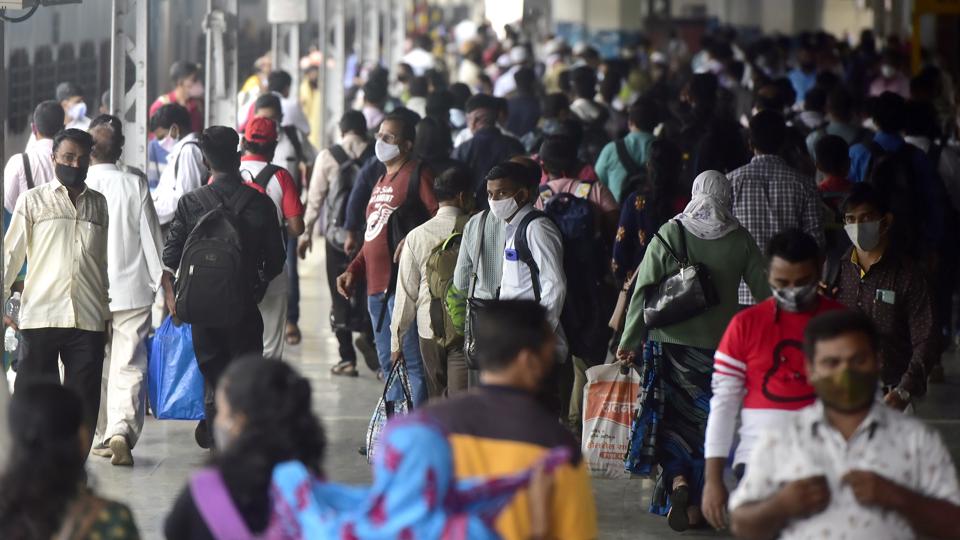
India is a resource-scarce country with low State capacity with regard to governance and the ability to redistribute resources.
In India, population debate is a sensitive subject. While many argue that a rising population is hobbling development, others think it is a dividend that governments have failed to harness. This debate, which often acquires a political-religious colour, gathered steam this week with a United Nations report that said India may surpass China as the world’s most populous country in 2023.
India is a resource-scarce country with low State capacity with regard to governance and the ability to redistribute resources. So, a booming population can be a problem. However, a larger population also means greater human capital, higher economic growth, and an improved demographic structure. Since 2018, India is experiencing what the Asian giants did decades ago: The nation’s working-age population (people between 15 and 64) has grown larger than the dependent population (children aged 14 or below and people above 65). This working-age bulge will last till 2055, and India must make the best use of it. This transition happens due to a dip in the total fertility rate (TFR).
However, to take advantage of the demographic dividend, the State must invest in employment, education, health care, nutrition, and housing. Since this dip in TFR is more pronounced in the South, there will be labour migration from the North. So, the recipient states will need to devise migrant-friendly policies and the home states need to create systems that will care for those left behind. But crucially, mindsets must change: No sectarianism must be tolerated, attempts to legislate on population must be debated and deliberated, and population must be seen as an asset, not a burden.
One Subscription.
Get 360° coverage—from daily headlines
to 100 year archives.
Archives
HT App & Website