Scientists used vegetation at St. Matthew island, a small island off the coast of Alaska, to find out that the ice cover in the Bering Sea has never hit such historic lows unseen in thousands of years.
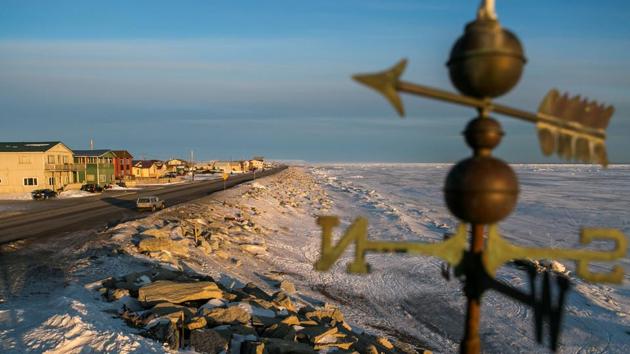
The Bering Sea lies between the Russian Siberian midlands and the state of Alaska of the United States. The study released on Wednesday outlined that the ice cover in the Bering Sea and northern Pacific Ocean is at its lowest levels for 5,500 years.
Scientists used peat land as such soil holds organic compounds dating back to millenia. They analysed the variations in peat layers of oxygen atoms called isotopes 16 and 18. The proportions of these isotopes correlate with atmospheric, oceanic changes and precipitation. A single 1.45 metre core taken from the island in 2012 was used for the study. The core represented 5,500 years of accumulation.
Scientists also used satellite imagery gathered over the past four decades to understand the depletion of ice cover and also used ship logs used by sailors and whale expeditioners from the early eighteenth to mid-nineteenth century.
Scientists published a report on Wednesday outlining that the vegetation in the St. Matthew island has acted as a weather station and has recorded what changes occurred to the ocean over the past millennia.
{{/usCountry}}Scientists published a report on Wednesday outlining that the vegetation in the St. Matthew island has acted as a weather station and has recorded what changes occurred to the ocean over the past millennia.
{{/usCountry}}Speaking to agencies, one of the researchers, Miriam Jones a geologist at the US Geological Survey said, “It’s a small island in the middle of the Bering Sea, and it’s essentially been recording what’s happening in the ocean and atmosphere around it.”
Julienne Stroeve of National Snow and Ice Data Center at the University of Boulder Colorado said that if all the ice is lost the region will warm up even faster. She said, “Obviously, if we lose the sea ice you are completely changing the temperatures of the Arctic.”
Though sea-ice builds every winter scientists fear there is a decline in cold-season ice maximums. Walruses, polar bears, seals and communities that rely on hunting on these lands continue to bear the brunt of loss of sea ice which is leading to warming of seas as well as the entire region.
(with inputs from Reuters and AFP)