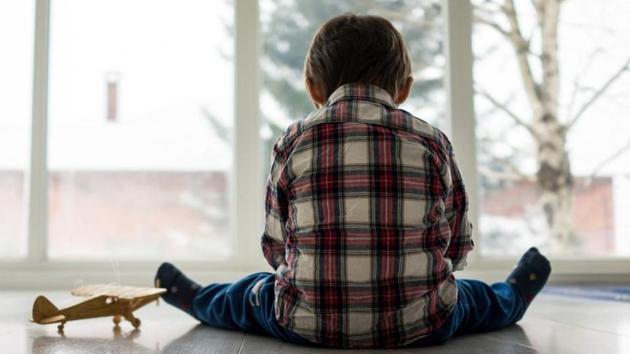
Scientists have discovered differences in a brain signalling pathway that causes autism spectrum disorders (ASD) to be more common in boys.
“One intriguing aspect of autism is that it predominantly affects males; four boys are affected for every one girl,” said Ted Abel, from the University of Iowa in the US. “We don’t understand what it is about this disorder that predisposes boys as compared to girls to develop autism,” said Abel.
This male bias is also seen in other neurodevelopmental disorders, like attention deficit hyperactivity disorder (ADHD) and specific language impairments.
Nearly one in every 200 cases of autism is caused by the deletion of a section of DNA on a particular chromosome.
This type of disorder is also known as a copy number variation (CNV). The mouse model of autism used by the research team is missing the same stretch of DNA.
{{/usCountry}}This type of disorder is also known as a copy number variation (CNV). The mouse model of autism used by the research team is missing the same stretch of DNA.
{{/usCountry}}Researchers tested the mice for abnormalities in reward- learning behaviour – learning to associate actions with rewarding outcomes. This type of learning is mediated by a part of the brain called the striatum and is disrupted in people with autism and other neurodevelopmental disorders.
The study, published in the journal Molecular Psychiatry, shows that only male mice with the autism-associated genetic deletion have abnormal reward-learning behaviour.
Female mice with the same genetic deletion are not affected. Moreover, these sex-specific behavioural differences are accompanied by sex differences in molecular signalling pathways in the striatum brain region.
“Problems with reward learning could explain why individuals with autism don’t interact socially, because they don’t find it rewarding in the same way,” said Abel.
Catch your daily dose of Fashion, Taylor Swift, Health, Festivals, Travel, Relationship, Recipe and all the other Latest Lifestyle News on Hindustan Times Website and APPs.
Catch your daily dose of Fashion, Taylor Swift, Health, Festivals, Travel, Relationship, Recipe and all the other Latest Lifestyle News on Hindustan Times Website and APPs.