A credit bureau plays an important role in the lending ecosystem. It collects and maintains information about your loans, credit cards and repayment history and uses this information to create your credit report. Lenders can use this information as part of their credit assessment when you apply for credit.
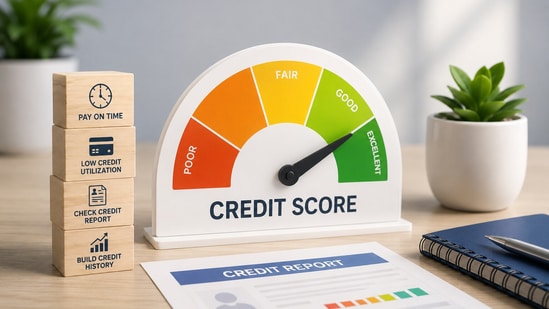
Understanding how credit bureaus work can help you monitor your credit profile, identify inaccuracies and make more informed borrowing decisions.
In summary
- Credit bureaus provide credit reports and may generate credit scores using their respective scoring methodologies.
- India has four major credit information companies: TransUnion CIBIL, Experian, Equifax and CRIF High Mark.
- Your repayment history, existing credit accounts and credit enquiries can form part of your credit profile.
- A credit bureau does not approve or reject a loan. The lender makes the final decision based on its eligibility criteria and assessment.
- Regularly checking your credit report can help you identify incorrect information and monitor your credit profile.
- You can do a credit score check and access your Credit Pulse Report to understand your credit profile and credit insights.
What is a credit bureau?
{{/usCountry}}What is a credit bureau?
{{/usCountry}}A credit bureau, also known as a credit information company, collects and maintains credit-related information about individuals and businesses. Banks, NBFCs and other eligible credit institutions share relevant credit information with these companies.
The information is organised into credit records and reports that provide a view of a borrower's credit history. Credit bureaus may also generate credit scores based on the information available in a credit file and their respective scoring methodologies.
In India, credit information companies operate under the regulatory framework of the Reserve Bank of India (RBI).
The four major credit information companies in India are:
- TransUnion CIBIL
- Experian
- Equifax
- CRIF High Mark
How does a credit bureau work?
The working of a credit bureau can be understood through three key stages.
1. Collecting credit information
Banks, NBFCs and other eligible credit institutions report information about borrowers and their credit accounts to credit information companies. This may include details about loans, credit cards, outstanding amounts and repayment behaviour.
2. Maintaining credit records
The credit bureau processes the information received from different institutions and maintains it in the individual's credit file. This allows credit information from multiple credit accounts to be brought together in one report.
3. Providing credit reports and scores
Based on the information available in the credit file, a bureau can provide a credit report and generate a credit score using its own scoring methodology.
A credit report gives more detailed information about your credit history, while a credit score provides a numerical representation of aspects of your credit profile.
What information does a credit bureau maintain?
A credit report can contain several details related to your credit history. These may include:
- Personal identification details
- Loan and credit card accounts
- Sanctioned or approved credit amounts
- Outstanding balances
- Repayment history
- Account status
- Credit enquiries
The information available in your report depends on what has been reported by the respective credit institutions.
Reviewing these details periodically can help you check whether your credit information is accurate and up to date.
How does a credit bureau affect your credit profile?
A credit bureau does not decide whether you should receive a loan or credit card. However, the information maintained by a bureau can form part of a lender's credit assessment.
For example, lenders may review your repayment history, existing credit obligations and recent credit enquiries when assessing a credit application. They may also consider income, employment or business details, existing liabilities and their own eligibility criteria.
This makes it important to maintain responsible credit behaviour and monitor the information reported in your credit file.
Credit bureau vs credit score vs credit report
These three terms are connected but have different meanings.
| Term | What it means |
|---|---|
| Credit bureau | A company that collects and maintains credit information |
| Credit report | A detailed record of information in your credit file |
| Credit score | A numerical representation generated using information in your credit file and a particular scoring methodology |
Why should you check your credit report?
Checking your credit information regularly can help you understand your current credit position and identify information that may need attention.
You can check for:
- Loan or credit card accounts that you do not recognise
- Incorrect repayment information
- Incorrect outstanding amounts
- Incorrect personal details
- Credit enquiries that you do not recognise
If you find an error, you can raise a dispute with the relevant credit bureau and/or the concerned lender, as applicable.
Monitoring your credit profile can also help you make more informed decisions before applying for new credit.
How to check your credit score online
You can check your credit score online through Bajaj Finance in a few simple steps. You can also access your Credit Pulse Report to review key details about your credit profile.
Step 1: Visit the Credit Pulse Report page
Go to the official Bajaj Finance website and open the Credit Pulse Report page. Select the option to check your credit score.
Step 2: Verify your mobile number
Enter your registered mobile number and complete the verification using the OTP received on your phone.
Step 3: Enter your details
Provide the required information, such as your name, PAN, date of birth, email address, mobile number and PIN code.
Step 4: Check your credit score
After successful verification, your available credit score will be displayed on the screen.
Step 5: Review your Credit Pulse Report
Access your Credit Pulse Report to review details such as your repayment history, active credit accounts, recent enquiries and other credit information. You can also download the report for future reference.
How can you maintain a healthy credit profile?
Maintaining a healthy credit profile starts with responsible credit behaviour.
Pay your EMIs and credit card bills on time
Timely repayment helps maintain a consistent repayment history. Setting reminders or using automated payments can help avoid missed due dates.
Manage your existing credit responsibly
Keep track of your outstanding loans and credit card balances. Understanding your repayment obligations can help you plan your finances better.
Apply for credit only when required
Avoid making multiple credit applications within a short period unless necessary. Credit applications can result in enquiries being recorded in your credit history.
Review your credit information regularly
Checking your credit report can help you identify inaccuracies or unfamiliar activity early and take appropriate action.
Making informed borrowing decisions
A credit bureau helps maintain the credit information that lenders may use when assessing a borrower's creditworthiness. While your credit score is an important part of your credit profile, it is not the only factor that determines loan approval.
Keeping track of your credit report, making timely repayments and borrowing responsibly can help you stay informed about your credit profile.
Before applying for new credit, check your credit score and review your Credit Pulse Report to better understand your current credit position.
Note to the Reader: This article is part of Hindustan Times' promotional consumer connect initiative and is independently created by the brand. Hindustan Times assumes no editorial responsibility for the content.
The content may be for information and awareness purposes and does not constitute any financial advice.