You step out of the shower, catch your reflection, and there it is: that distinctive tan line on your shoulders, the darker patches on your arms, the uneven tone that wasn't there a month ago. Maybe it crept up during your daily commute, or after a weekend outdoors. Either way, you're now scrolling through endless home remedies, wondering what actually works and what's just skincare folklore.
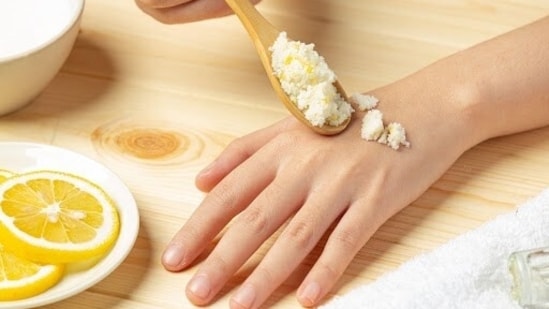
The good news? Tan does fade, but it takes the right approach. Not every method you'll find online delivers results, and some might do more harm than good. What you need is a clear understanding of how tanning works, which techniques genuinely help, and how to de-tan at home without wasting time or money on methods that don't hold up.
Why Does Skin Tan in the First Place (And Why Does It Happen So Easily)?
When UV rays hit your skin, melanin production"> melanin production kicks into overdrive as a protective response. Melanin is the pigment that gives skin its colour, and its job is to shield deeper skin layers from UV damage. The more melanin your skin produces, the darker it appears.
South Asian and Indian skin tones naturally have more active melanocytes (the cells that produce melanin), which means tanning happens faster and often shows up more noticeably. What you're seeing isn't damage per se, but rather your skin's defence mechanism at work. However, this tan sits in the upper layers of your skin, which means it can be gradually faded with the right combination of exfoliation, skin renewal support, and consistent care. Understanding this helps set realistic expectations: de-tanning isn't instant, but it is absolutely achievable over a few weeks.
Does a De-Tan Scrub Actually Remove Tan?
{{/usCountry}}South Asian and Indian skin tones naturally have more active melanocytes (the cells that produce melanin), which means tanning happens faster and often shows up more noticeably. What you're seeing isn't damage per se, but rather your skin's defence mechanism at work. However, this tan sits in the upper layers of your skin, which means it can be gradually faded with the right combination of exfoliation, skin renewal support, and consistent care. Understanding this helps set realistic expectations: de-tanning isn't instant, but it is absolutely achievable over a few weeks.
Does a De-Tan Scrub Actually Remove Tan?
{{/usCountry}}Yes, but not in the way most people think. A de-tan scrub works by physically removing the topmost layer of dead, tanned skin cells while encouraging fresher, untanned cells underneath to surface faster. Think of it as speeding up your skin's natural renewal process, which normally takes about 28 days.
Here's what scrubs do well: they smooth away dull, darkened surface cells, help fade tan gradually with consistent use, and improve how well other skincare products absorb. Here's what they don't do: deliver overnight results, bleach or strip pigment chemically, or work on deeper pigmentation issues (that's a different concern requiring different treatment).
The key is in the formulation. A proper de-tan body scrub contains both physical exfoliants (to slough off dead cells) and active ingredients that support skin renewal. Niacinamide, for example, helps regulate melanin transfer, while salicylic acid gently dissolves the bonds holding dead cells together. Used correctly and consistently, you'll notice brighter, more even-toned skin within two to three weeks.
Trivia: Your elbows, knees, and upper chest hold onto tan longer because skin is naturally drier in these areas and sheds cells more slowly. Extra exfoliation focus here speeds up fading.
How Do You Use a De-Tan Body Scrub Correctly?
Proper technique matters more than how often you scrub. Start with damp skin in the shower, but before you soap up. Take a generous amount of your de-tan scrub for the body and massage it in gentle, circular motions. Focus on tanned areas, but don't scrub aggressively; firm, steady pressure is enough.
Pay extra attention to areas that tan unevenly: shoulders, forearms, neck, chest, and the backs of your hands. Spend about 30 seconds on each zone, then rinse thoroughly with lukewarm water. Follow up with your regular body wash (more on why this step matters in a moment) and finish with a moisturiser while skin is still damp.
Frequency matters too. For most skin types, two to three times a week is the sweet spot. More than that can irritate skin and trigger more melanin production, which defeats the purpose. If you're using a scrub with active ingredients like niacinamide and salicylic acid, such as the Fiama Body Scrub Niacinamide (De-Tan)"> Fiama Body Scrub Niacinamide (De-Tan), you're getting both physical and chemical exfoliation in one step. This kind of dual-action formula tends to work more efficiently than scrubs that rely solely on gritty particles.
Why Does Your Body Wash Matter for De-Tanning?
Here's the part most de-tan guides skip: your daily body wash either supports or sabotages your efforts. If you're using a harsh, stripping cleanser (the kind that leaves your skin feeling tight and squeaky), you're actually working against yourself. Overly aggressive cleansing disrupts your skin barrier, triggers dryness, and can prompt your skin to produce more melanin as a protective response.
What you want is a gentle, hydrating body wash that cleanses without stripping. Look for formulas with skin conditioners, moisture-locking ingredients, and ideally something free from SLS and parabens. These keep your skin barrier intact, which means your skin sheds cells at a healthy, regular pace rather than clinging to dead, tanned layers.
Think of it this way: your scrub does the heavy lifting two to three times a week, but your body wash is the daily maintenance that keeps results coming. Consistent, gentle cleansing compounds the brightening effect over time, especially when paired with weekly exfoliation. It's not glamorous, but it works.
Tip: 80% of de-tanning results come from consistency with the basics (sunscreen reapplication, gentle exfoliation two to three times weekly, and moisturising). The remaining 20% comes from actives. Most people reverse this ratio and wonder why nothing works.
Starting Fresh
Tan fades, but it needs a little help from you. The right combination of regular exfoliation, skin-supporting ingredients, and gentle daily cleansing gets you there without drama or harsh treatments. Your skin renews itself naturally; you're just giving it a nudge in the right direction.
Be patient with the process. Two to four weeks of consistent effort will show visible results, and by the end of a month, you'll notice your skin tone evening out and that dull, tanned layer giving way to brighter, smoother skin underneath. Small, steady actions add up.
Frequently Asked Questions
1. Which scrub is best to remove tan?
Look for a de-tan scrub with a combination of physical exfoliants and active ingredients. Niacinamide (around 1% concentration) helps regulate melanin, while salicylic acid supports cell turnover. These ingredients work on both surface tan and skin renewal, giving you more comprehensive results than scrubs that only buff the surface.
2. What is the use of a de-tan scrub?
A de tan scrub removes the topmost layer of dead, darkened skin cells and accelerates your skin's natural renewal cycle. This helps fade visible tan gradually by bringing untanned cells to the surface faster. It also smooths skin texture and improves absorption of moisturisers and other skincare products you apply afterwards.
3. How do I use a caffeine body scrub?
The technique is the same as any body scrub: apply to damp skin before cleansing, massage in circular motions for 30 seconds per area, then rinse. Caffeine offers an added bonus of boosting circulation, which can give skin a temporarily more refreshed, revitalised appearance. Use it two to three times weekly for best results.
4. How long does it take to see results from de-tanning at home?
With consistent exfoliation (two to three times weekly), gentle daily cleansing, and proper moisturising, most people notice visible improvement within two to three weeks. Full results typically show by the four-week mark. Tan fades unevenly, so some areas (like your face and arms) may brighten faster than drier zones like elbows and knees.
Note to readers: This article is part of HT's paid consumer connect initiative and is independently created by the brand. HT assumes no editorial responsibility for the content, including its accuracy, completeness, or any errors or omissions. Readers are advised to verify all information independently.