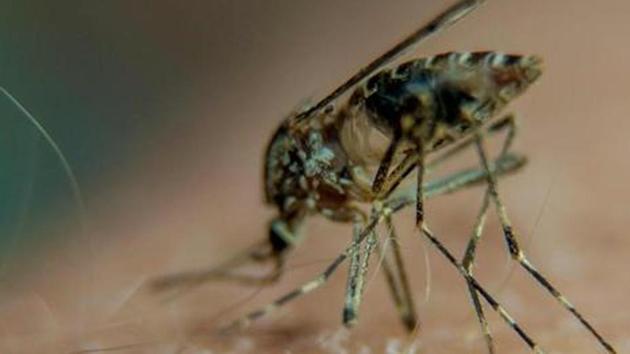
Scientists at IIT-Roorkee have found that a commonly used deworming drug has anti-viral properties and could lead to new therapies against Chikungunya - a deadly, mosquito-borne disease.
Currently, there are no vaccines or antiviral drugs available to cure Chikungunya, and the treatment is focussed on relieving the symptoms associated with the infection.
“Our research has shown that piperazine, a drug existing in the market, is successful in curbing the spread and replication of the Chikungunya virus in a lab setting,” said Shailly Tomar, a professor at Indian Institute of Technology (IIT) Roorkee in Uttarakhand.
“We are currently testing the molecule on animals and hope to take this to clinical trials soon,” said Tomar, who headed the research project.
Piperazine is a drug commonly used in deworming treatments against roundworm and pinworm.
Scientists, using their expertise in virology and structure biology, discovered antiviral potential of piperazine and determined the mechanism of inhibition of Chikungunya virus.
The molecular details revealed in the study can be further utilised to design piperazine derivative drugs that are more potent and aggressive to fight Chikungunya virus, Tomar said.
The study, published in the journal Antiviral Research, describes the potential of piperazine as a pharmacotherapeutic agent, and how binding these molecules to the hydrophobic (water-hating) pocket of capsid protein present in the Chikungunya virus can inhibit the spread of the virus.
{{/usCountry}}The study, published in the journal Antiviral Research, describes the potential of piperazine as a pharmacotherapeutic agent, and how binding these molecules to the hydrophobic (water-hating) pocket of capsid protein present in the Chikungunya virus can inhibit the spread of the virus.
{{/usCountry}}Using X-ray crystallographic technique in combination with computational biology and fluorescence techniques, the researchers found that piperazine binds itself well with the hydrophobic pocket on the alphavirus capsid protein.
“This pocket is key to the replication of the virus and its spread inside a host. Inhibiting the pocket prevents budding and spread of the virus and can help in treating the virus effectively using existing drugs,” Tomar said.
“Chikungunya is becoming a major public health concern with many people being affected by it year after year,” she said.
“Developing a new antiviral drug molecule can take over a decade and that is the reason why we are looking at repositioning existing, approved drugs and testing these to see if they might inhibit or kill pathogenic viruses,” she said.
Catch your daily dose of Fashion, Taylor Swift, Health, Festivals, Travel, Relationship, Recipe and all the other Latest Lifestyle News on Hindustan Times Website and APPs.
Catch your daily dose of Fashion, Taylor Swift, Health, Festivals, Travel, Relationship, Recipe and all the other Latest Lifestyle News on Hindustan Times Website and APPs.