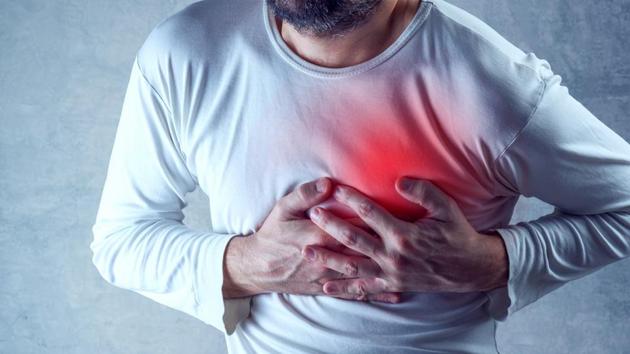
Measuring calcium build-up in the arteries can be a good way of assessing the risk of heart attack and stroke, according to a recent study.
Patients without calcium buildup in the coronary arteries had significantly lower risk of future heart attack or stroke despite other high risk factors such as diabetes, high blood pressure, or bad cholesterol levels, the research from UT Southwestern cardiologists showed. These individuals had less than a 3 % chance of a cardiovascular event over the next decade, even though many had well-known risk factors, well below the 7.5 % level set by the American College of Cardiology and American Heart Association as a guideline to begin statin treatment.
“The event rates when coronary calcium is absent are low,” said preventive cardiologist Dr Parag Joshi. “Our findings suggest that individuals with no calcium buildup in their blood vessels may not have to take statins despite the presence of other risk factors that cause coronary disease.” There may still be other reasons statins are a good therapy, so Joshi said that the new findings suggest that adding a CT scan for calcium may be worthwhile as doctors and patients discuss treatment options.
“A CT scan is a test that is easily done, costs about 100 bucks in most major cities, and can give a lot more information about the patient’s 10-year risk,” said Joshi. Calcium accumulates in the arteries of the heart after plaque builds up and calcifies over time.
{{/usCountry}}“A CT scan is a test that is easily done, costs about 100 bucks in most major cities, and can give a lot more information about the patient’s 10-year risk,” said Joshi. Calcium accumulates in the arteries of the heart after plaque builds up and calcifies over time.
{{/usCountry}}The UT Southwestern researchers looked at CT scans of the chest and heart of 6,184 people aged 45 to 84, who had never had a heart attack or stroke, and were participants in a large, multi-site, multi-year study known as MESA (Multi-Ethnic Study of Atherosclerosis). The new findings appear online in the Journal of the American College of Cardiology: Cardiovascular Imaging.
Follow @htlifeandstyle for more
Catch your daily dose of Fashion, Taylor Swift, Health, Festivals, Travel, Relationship, Recipe and all the other Latest Lifestyle News on Hindustan Times Website and APPs.
Catch your daily dose of Fashion, Taylor Swift, Health, Festivals, Travel, Relationship, Recipe and all the other Latest Lifestyle News on Hindustan Times Website and APPs.