
 E-Paper



Why grassroots climate action deserves notice
This article is authored by Pallavi Khare, chief of staff and Gunajit Dev Sarma, senior consultant, Climate Asia.

 Prefer HTon Google


In Meghalaya’s East Khasi Hills, Iaisha Rymbai — a teacher-turned-entrepreneur — is reviving the ancestral craft of Eri silk. With design training and a vision for sustainable livelihoods, she has built a business that now employs over 200 women, uses solar-powered yarn processing, and bridges traditional knowledge with modern markets. In Tamil Nadu’s coastal belt, a fishing community is planting thousands of mangrove saplings, drawing on indigenous knowledge to protect against rising seas.
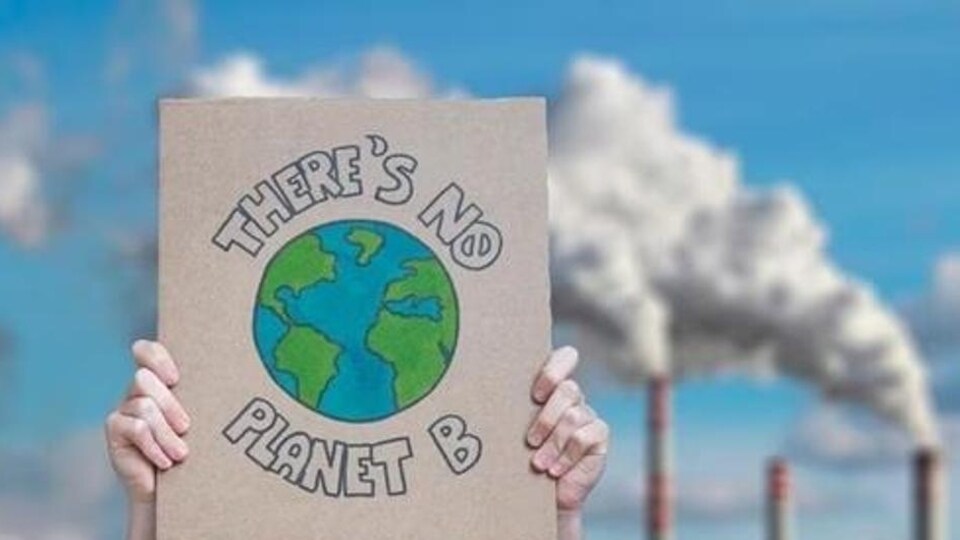
These aren’t isolated stories. They are proof that communities on the frontlines of climate change are also leading solutions — quietly, persistently, and creatively. Yet these efforts remain sidelined in climate policy, donor funding, and media narratives.
The reality is stark: Any climate strategy that excludes local communities is incomplete. And yet, less than 10% of international climate finance reaches the local level directly.
This World Environment Day, as governments debate net-zero targets and corporations unveil billion-dollar pledges, we must ask: who is protecting the planet every day — and why aren’t they better supported?
Grassroots actors, especially women and Indigenous leaders, are often viewed as passive beneficiaries. In truth, they are first responders, knowledge holders, and stewards of fragile ecosystems. Whether it's women safeguarding sacred groves in Meghalaya or tribal communities reviving ancient water-harvesting techniques in central India — these are not just acts of preservation; they are acts of innovation.
Take, for example, Philim Makri, a 50-year-old farmer from Ri-Bhoi, Meghalaya. For years, she spun Eri silk with a traditional takli, earning little for her labour. With support from a local NGO and access to solar-powered spinning machines, her productivity — and income — tripled. Today, she’s a master trainer for the sericulture department, mentoring others and dreaming of her own training centre. Her journey is a powerful example of what happens when grassroots leadership is supported, not overlooked.
So why are such efforts still labelled unscalable?
Critics argue these solutions are too small or too context-specific. But climate resilience isn’t about one-size-fits-all fixes. It’s about local adaptation — millions of micro-interventions shaped by lived experience. Scale can come through networks, not just replication. Most of all, it requires trust.
Instead of asking grassroots leaders to scale up to fit donor frameworks, we must ask: Why are existing systems so inaccessible? Why is local access to climate finance entangled in bureaucracy? Why are community voices still tokenised in policymaking spaces?
If we truly care about a just transition, the burden of proof must shift. Funders, policymakers, and urban-based organisations must scale down — becoming more flexible, inclusive, and responsive.
At Climate Asia, we’ve seen the impact of doing just that. When NGOs receive long-term, flexible funding, they build local leadership, experiment with adaptive models, and strengthen resilience — not only to climate shocks, but to economic, health, and political disruptions.
What can the rest of us do?
Start by shifting our gaze. Listen to the forest dweller, the fisherwoman, the waste picker. Support grassroots work through donations, partnerships, or amplifying their stories. Demand that policymakers and philanthropists prioritise those with the most insight — and the most at stake.
Climate action isn’t only about carbon credits and corporate commitments. It’s about dignity, equity, and sovereignty. It’s about ensuring women like Iaisha Rymbai are not outliers, but leaders — with access to capital, markets, and policy support.
This Environment Day, let’s go beyond symbolic gestures. Let’s build systems that allow grassroots innovation to thrive. Let’s stop underestimating the power of the small.
Because the future of our planet isn’t just shaped in boardrooms. It’s being protected — every day — by those whose hands are already in the soil.
This article is authored by Pallavi Khare, chief of staff and Gunajit Dev Sarma, senior consultant, Climate Asia.


