A product reaching the market is often treated as the finish line. It is usually where the harder work begins.
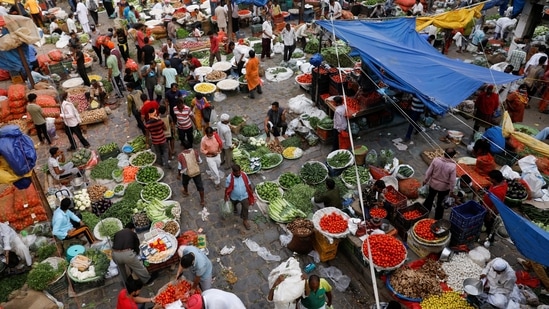
Across India, there is growing momentum to connect women producers and collectives to markets. National workshops are exploring how women-led enterprises can participate in government procurement, while large exhibitions such as SARAS Mela connect SHG entrepreneurs directly with consumers and traders. The Union Budget 2026 has proposed community-owned retail outlets, or SHE Marts, to provide dedicated retail spaces for women-led businesses.
At the same time, state governments are investing in brands, e-commerce platforms, processing infrastructure, and market-facing institutions at an unprecedented scale. Together, these initiatives reflect a broader effort to strengthen market linkages and expand opportunities for rural producers.
This reflects an important shift. For years, livelihood programmes focused primarily on production. Today, there is increasing recognition that higher incomes require stronger engagement with markets.
Yet expanding access to markets is not quite the same as creating demand within them.
A retail outlet creates a point of sale. An exhibition creates visibility. A procurement portal creates an opportunity. None automatically creates demand.
Trade fairs and exhibitions can open doors, but they do not guarantee lasting market success. A 2024 Asian Development Bank study found that many women's collectives struggled to convert exhibition visibility into a sustained market presence. The disconnect is fundamental: These collectives often treat the exhibition as the destination, failing to realise that buyers, not exhibitions, dictate the terms of success.
Sustainable market presence requires aligning production with specific buyer needs, such as quality standards, necessary certifications, and the strategic positioning and where scarce resources are invested.
{{/usCountry}}Sustainable market presence requires aligning production with specific buyer needs, such as quality standards, necessary certifications, and the strategic positioning and where scarce resources are invested.
{{/usCountry}}Moving from this visibility-first approach to a demand-first strategy is the central challenge for state-supported brands to drive repeat purchases. This shift became evident in the evolution of the House of Himalayas in Uttarakhand. The ambition went beyond aggregating women's collectives’ products to place on shelves. Considerable effort went into studying what consumers associated with products from the Himalayan region and whether those associations could support a differentiated market position. Insights around provenance (buyers care where their products come from), wellness, and natural sourcing informed decisions on product selection, packaging, pricing, and branding.
As marketing scholar Nirmalya Kumar notes, "Just because you have a brand doesn't mean you have value." Brands succeed when they communicate something customers already value. In this case, the House of Himalayas brand was built around an existing market insight rather than an assumption that branding alone would create demand.
The importance of understanding buyer demand is not limited to branded consumer products. A similar lesson can be found in commodity markets. Producer organisations participating in responsible soybean value chains in Madhya Bharat Consortium of Farmer Producers Company Limited have accessed better pricing linked to certification and traceability. The premium emerged not from higher volumes alone, but from meeting requirements around traceability, certification, and quality requirements that buyers were willing to reward.
The examples are different, but they point to a broader reality. Whether the buyer is a retailer, a processor, an exporter, a procurement agency, or a consumer, demand often determines success long before a product reaches the market.
For rural livelihoods, this has practical implications. Not every producer organisation needs to become a consumer brand. Some may find stronger, more stable opportunities in certified commodities, institutional procurement, or B2B supply chains. The appropriate pathway depends on understanding where demand exists, what buyers value, and what capabilities are required to serve that market successfully.
Initiatives such as SHE Marts, procurement drives, exhibitions, and state brands represent an important evolution in India's livelihoods ecosystem. Their success will depend on expanding access to the market and on how deeply they are informed by buyer demand.
Because the most important market decisions are rarely made at the point of sale. Instead, they begin when strategies regarding product selection, quality standards, certification, pricing, and capital allocation are influenced by a clear understanding of who the buyer is and what they value.
(The views expressed are personal)
This article is authored by Anoosha Singh, director, women entrepreneurship, Women on Wings.