When conversations turn to investing, the risks most often cited are external. Inflation, elections, oil prices, interest rates and geopolitical tensions tend to dominate the list. These are visible forces, measurable and widely discussed. They exist beyond the individual and, for that reason, feel easier to analyse. Yet over time, it becomes clear that the most persistent threat to long-term wealth is rarely external. It sits much closer, in the realm of reaction, mood and impulse.
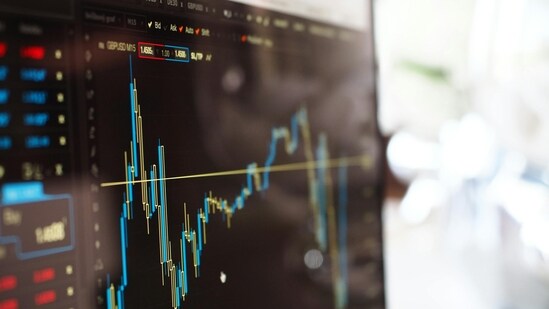
Markets, by their nature, fluctuate. Prices rise and fall, often in response to factors that are unpredictable or only fully understood in hindsight. What is more predictable, however, is how investors respond to these movements. When markets perform well, confidence expands. Investors who were previously cautious begin to feel underexposed. Cash appears unproductive, and risk starts to feel manageable, even sensible. Gains are attributed to judgement and foresight. The atmosphere becomes optimistic, sometimes exuberant.
When markets correct, the same portfolios are viewed differently. Plans that once felt long term begin to feel uncertain. The conversation shifts from adding exposure to reducing it. Even when underlying businesses or assets remain fundamentally sound, sentiment changes quickly, and sentiment carries considerable influence. Investors who believed themselves rational discover that discomfort has a voice. It nudges decisions, often subtly, encouraging action when patience might be more beneficial.
There is a widespread belief that financial decisions are made logically, with data and analysis leading the way. In practice, many decisions are driven by emotion first and justified by reasoning later. Optimism invites participation; anxiety encourages withdrawal. This pattern helps explain why average investor returns often fall short of the returns generated by the very funds or assets in which they invest. Money tends to enter after strong performance and leave after weak performance, creating a gap between potential and realised outcomes.
{{/usCountry}}There is a widespread belief that financial decisions are made logically, with data and analysis leading the way. In practice, many decisions are driven by emotion first and justified by reasoning later. Optimism invites participation; anxiety encourages withdrawal. This pattern helps explain why average investor returns often fall short of the returns generated by the very funds or assets in which they invest. Money tends to enter after strong performance and leave after weak performance, creating a gap between potential and realised outcomes.
{{/usCountry}}In today’s environment, this challenge is amplified by constant exposure to information. Markets are no longer something reviewed periodically. They are accessible at any moment, through devices that deliver alerts, headlines and commentary in real time. Every notification creates a sense of urgency. Every piece of news feels actionable. Even the absence of movement can feel like a decision not being made. In such conditions, patience begins to feel unnatural, and restraint can appear like inaction rather than strategy.
The costliest mistakes in investing are not always dramatic. They often emerge through small, repeated adjustments made in response to discomfort. Reducing exposure because volatility feels unsettling, increasing it because recent gains appear convincing, holding on to weak positions to avoid admitting an error, or selling strong ones too early to lock in reassurance. Each decision may appear reasonable in isolation. Over years, however, they quietly erode the power of compounding, the very mechanism that allows wealth to grow steadily over time.
Wider participation in financial markets has brought clear benefits. Access has expanded, digital platforms have lowered barriers, and more individuals are taking an active role in shaping their financial futures. This broadening of participation is a sign of progress. At the same time, it means that collective mood can have a stronger influence on market flows. When confidence rises, participation accelerates. When uncertainty emerges, reversals can be swift. Markets respond not only to earnings, policy and data, but also to how investors collectively feel about them.
Research into investor behaviour has long suggested that fewer decisions can sometimes lead to better outcomes. Lower trading frequency reduces the opportunity for emotionally driven errors. The lesson is not about inactivity, but about clarity. Confidence grounded in a well-considered plan is different from hesitation or impulsive reaction. Knowing when not to act can be as important as knowing when to move.
Risk management, therefore, extends beyond diversification models and allocation strategies. It includes an understanding of personal triggers. What creates unease? What leads to overconfidence? At what point do headlines begin to influence decisions intended to be long term? These questions are less technical but equally important. Markets will always present uncertainty. There will always be new developments to monitor and new reasons to feel concerned or optimistic.
The more enduring challenge is maintaining steadiness when those developments occur. Over long periods, wealth is rarely undone by volatility alone. It is undone by the responses volatility provokes. While macroeconomic forces cannot be controlled, mood can be understood and managed. Recognising this internal risk, and learning to navigate it with discipline and awareness, may ultimately prove more valuable than attempting to predict every external shift.
This article is authored by Anooshka Soham Bathwal, founder & CEO, Dhanvesttor.