
 E-Paper



Current hurdles in the Russia-Ukraine peace process
This article is authored by Prabhu Dayal, former ambassador, New Delhi.

 Prefer HTon Google


Efforts to advance the Trump administration's peace plan for Ukraine have hit a significant roadblock due to fundamental disagreements, primarily over the issue of territorial concessions, Ukraine's NATO membership and security guarantees. While the US and Ukraine have made progress on a revised framework, Russia has shown little willingness to compromise on its core demands.
The initial draft plan reportedly required Ukraine to cede control of Crimea and parts of the Donbas, Kherson, and Zaporizhzhia regions to Russia. Ukrainian President Volodymyr Zelenskyy has repeatedly stated that giving up territory is not an option for ensuring national security and dignity.
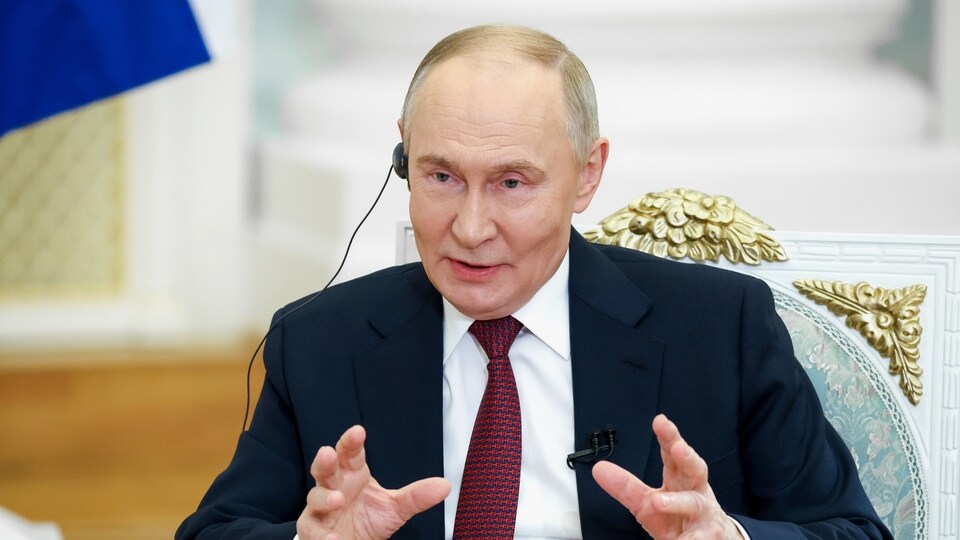
On the other hand, Russian President Vladimir Putin has indicated he will only stop fighting when Ukrainian troops withdraw from all four annexed regions, a goal Russia has yet to achieve fully on the battlefield. Russia has not budged from these maximalist demands during recent diplomatic discussions.
The original proposal also included provisions to prevent Ukraine from joining NATO, which aligns with a core Russian objective for the war but is a non-starter for Ukraine and its European allies who view NATO membership as the best long-term security guarantee. The original plan proposed that Ukraine enshrine in its constitution that it would not join NATO, and NATO would agree not to admit Ukraine in the future. This was seen as a major win for Moscow's long-standing security demands.
While the original plan mentioned "reliable security guarantees," it lacked specific, enforceable details. Ukraine insists on robust, NATO-style defence assurances, arguing that vague promises would only provide a temporary pause before Russia could regroup and attack again.
Another particularly contentious point in the original plan was the inclusion of "full amnesty" for all parties involved in actions during the war. Ukrainian officials and human rights advocates expressed outrage, viewing this as a move to pardon those responsible for war crimes and a violation of international law.
The original proposal also limited the size of Ukraine's armed forces to 600,000 personnel, which Ukraine viewed as an infringement on its ability to defend itself.
Overall, the plan was widely seen, including by some of Ukraine's European allies, as heavily favouring Russia's demands and rationale for the war while applying pressure on Ukraine to make significant, painful concessions. This led to a sense that Ukraine was being forced to choose between its dignity and vital US support.
European leaders, who provide substantial economic and military support to Ukraine, were initially sidelined in the process and expressed alarm that the initial US plan was too favourable to Moscow. They insisted that "nothing about Ukraine without Ukraine" should be a guiding principle. European nations drafted their own proposals, focusing on post-war security through a "coalition of the willing" and conditional territorial negotiations, rather than immediate cessions.
Zelenskyy and his officials engaged in talks with US representatives to add their inputs and push for revisions, stressing that a peace built on forced concessions would be "unjust" and not a true peace. Diplomatic efforts intensified, with a subsequent 19-point proposal being developed with Ukrainian input that removed some of the most controversial points. Despite multiple rounds of talks involving US envoy Steve Witkoff and Ukrainian officials to refine the plan (narrowing it from 28 points to 19), a critical meeting in Moscow failed to secure Russian compromise, leading to a diplomatic stalemate.
In essence, while diplomatic engagement is occurring and Putin has praised Trump's efforts, Russia's core demands have not changed. The gap between Russia's and Ukraine's "red lines" (primarily over land and security guarantees) remains "insurmountable" at this stage. Putin has also accused European leaders of feigning interest and sabotaging the peace talks with unacceptable demands.
Crucially, Putin has doubled down on his long-standing, maximalist demands, particularly regarding territory. He has warned that Ukraine must withdraw its troops from the eastern Donbas region or Russia will take the territory by force. This remains a major sticking point, as Ukraine's constitution forbids ceding territory.
While negotiations are ongoing and all sides have signalled a willingness to use the plan as a "basis" for discussion, the wide gap between Ukrainian and Russian "red lines" on land and security remains unresolved. Ultimately, the plan's success hinges on whether a compromise can be found on the core issues of territorial integrity and security guarantees that are acceptable to both Ukraine and Russia, while also securing the acceptance of European allies, a highly challenging prospect.
This article is authored by Prabhu Dayal, former ambassador, New Delhi.


