
 E-Paper



Strategies for India's energy sovereignty
This article is authored by Vijay Kanuru, global entrepreneur in residence, Massachusetts Venture Development Center in Boston, US.

 Prefer HTon Google


The smoldering geopolitical fault lines of West Asia have ignited a domestic gas storm, flickering into the very heart of the Indian kitchen. As maritime chokepoints tighten and regional conflicts trigger a domino effect of supply disruptions, the fallout is no longer a distant headline-it is a mounting national panic. From the serpentine queues at petrol pumps in Delhi to the frantic scramble for LPG cylinders in Mumbai and Bengaluru, a sense of hysteria is beginning to take hold of the public mind as prices touch record highs.
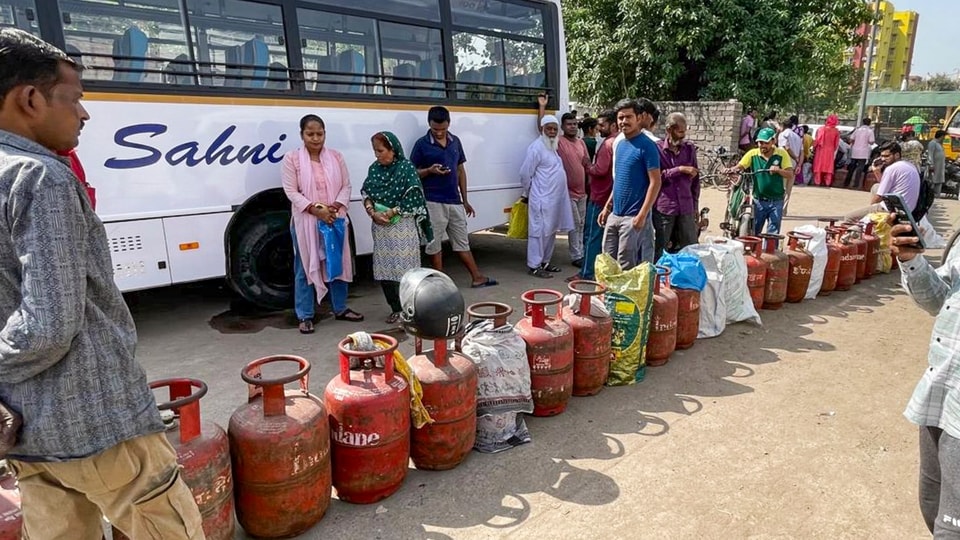
This chaos is a final warning: India can no longer afford to be a hostage to the volatility of distant wars. And that too dependence, in a fractured geopolitical order, is a strategic liability. Our survival now hinges on a molecular renaissance- a fundamental shift from extracting foreign carbon to mastering the very atoms of domestic energy production, simply put, a transition from importing energy molecules to engineering them.
For decades, we have been trapped in a macro-scale mindset, obsessed with the physical movement of fuel through thousands of miles of vulnerable steel pipes. However, the 2025 Nobel-recognised advances in material sciences on Metal-Organic Frameworks (MOFs) has provided us with the moonshot tools have opened a radically different path way needed to break this cycle. MOFs are essentially molecular sponges-engineered materials that can capture carbon directly from the air or store hydrogen at densities previously thought impossible.
By applying these Nobel-grade innovations, we move toward a decentralised energy model. Instead of relying on volatile global markets that trigger domestic panic, cities can deploy MOF-based systems to synthesise e-fuels locally, independent of electrical-vehicles (EVs). This is the practical application of nanotechnology: turning an atmospheric carbon liability (CO2 ) into a strategic asset that bypasses high-risk maritime routes entirely.
While global science points the way, the immediate shield against the LPG crisis must be indigenous. A prime example is the pioneering work at the National Chemical Laboratory (NCL) in Pune. NCL has developed prototype innovations focused on a diversity of alternative cooking fuels, specifically dimethyl ether (DME) and high-efficiency biomass gasification.
DME, often called green LPG, can be blended with existing supplies or used as a standalone fuel with minimal infrastructure changes. As the current gas supply chain falters, these NCL prototypes offer a tangible lifeline. By converting domestic coal or agricultural waste into clean-burning DME, NCL is proving that we don't need to wait for a foreign tanker to light a kitchen stove. This demonstrates our indigenous capabilities and provides the necessary momentum for energy divestment from fossil fuels.
Recent developments, supported by the Department of Science and Technology (DST), include super-fast charging sodium-ion technology. Furthermore, phosphonate-based MOFs are emerging as superior materials for solid-state hydrogen storage under India’s National Hydrogen Mission due to their exceptional hydrolytic and thermal stability.
To move from reactive panic to proactive power, India must launch a Special Energy Sovereign Mission- a dedicated R&D programme focused on advanced material science with clear objectives and time-bound milestones. We cannot rely on the lithium-diplomacy of other nations; we must engineer our own materials using resources where India holds a natural advantage.
Thinking strategically, the mission must prioritise Iron-hybrid Metal-Organic Frameworks (Fe-MOFs) as the cornerstone of our storage revolution. Fe-MOFs are sustainable, low-cost electrode materials for sodium-ion batteries (SIBs). They offer high theoretical capacity and stability, perfectly suited for the abundance of iron and sodium within our borders. By pivoting to an iron and salt battery chemistry, India can meet the global energy crisis with literal iron grit, insulating our electric vehicle revolution from the predatory pricing of the global lithium market.
This mission must be governed by strict performance metrics:
- Hydrogen storage: Commercialisation of hybrid MOFs for high-density hydrogen storage within 36 months to secure industrial energy.
- Solar decoupling: Scaling perovskite materials for next-gen solar cells to reach a target of 30% efficiency by 2029, ending reliance on imported silicon.
- Iron MOF integration: Deploying the first utility-scale sodium-ion grid storage using domestic Fe-MOF electrodes by 2028 to stabilise the national grid.
The fossil fuel crisis is a reflection of the infinite exploitation of finite resources. This renaissance requires a trinity of action: Material-first diplomacy, industrial agility in scaling NCL’s DME diverse fuel prototypes, and scientific accountability.
The disruptions and the panic we face today are painful, but they are a catalyst. By embracing the science of the small-the atom, the molecule, and the nanoparticle-we can build an energy system that is not only sustainable but invincible. The transition from a carbon-taker to a molecular-maker is no longer a choice; it is India’s only path to a sovereign, panic-free future.
This article is authored by Vijay Kanuru, global entrepreneur in residence, Massachusetts Venture Development Center in Boston, US.


