There is every reason to celebrate the progress India has made in reducing child malnutrition. But we must not forget that this cycle begins much earlier, with the nutrition of girls and women. Studies prove that an undernourished girl is more like to suffer poor birth outcomes which leads to her child starting life at a health disadvantage. Discussions on nutrition almost always begin when a woman gets pregnant, overlooking that her nutritional health is shaped much earlier, during adolescence and childhood.
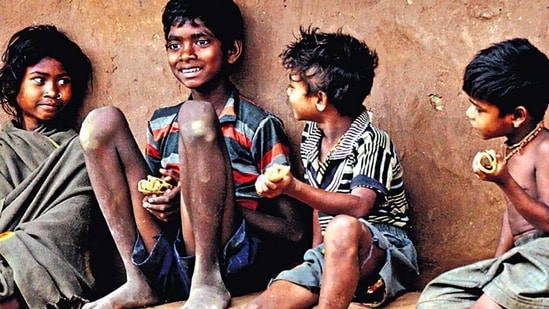
In a patriarchal society, girls eat least and eat last. They have less access to nutritious food, face restrictions on what they can or cannot eat and all round they have reduced decision-making capacities on issues regarding their nutrition and health. This cycle can only be broken if there is more investment in girls and women before pregnancy, support for mothers during pregnancy, and making sure that children have access to a diverse and nutritious diet in the first 1,000 days of their lives.
Nutrition cannot be viewed just through the health lens. It is the foundation which gives girls and women the opportunity to learn, stay healthy, participate in the workforce and reach their full potential. Investing in nutrition for girls and women means that we are assured of healthier families and a healthier, more productive India.
As mentioned earlier, India has made progress on child malnutrition, a condition which results in child stunting. But the battle is far from over. The prevalence of stunting among children under five fell from 35.5% to 29.3% between NFHS-5 and NFHS-6. However, one on three children remain affected. The proportion of children who are underweight changed only marginally, from 32.1% to 31.8%, while severe wasting (too thin for their height), declined from 7.7% to 5.2%. This suggests that reducing child malnutrition will require sustained attention to the underlying causes which include maternal nutrition, diets and access to essential nutrition services.
{{/usCountry}}As mentioned earlier, India has made progress on child malnutrition, a condition which results in child stunting. But the battle is far from over. The prevalence of stunting among children under five fell from 35.5% to 29.3% between NFHS-5 and NFHS-6. However, one on three children remain affected. The proportion of children who are underweight changed only marginally, from 32.1% to 31.8%, while severe wasting (too thin for their height), declined from 7.7% to 5.2%. This suggests that reducing child malnutrition will require sustained attention to the underlying causes which include maternal nutrition, diets and access to essential nutrition services.
{{/usCountry}}Though attention on nutrition is focused after pregnancy, the cycle of malnutrition begins well before that. Nearly one of five women is below the normal Body Mass Index range. A woman's nutritional status before and during pregnancy influences her own health and can affect birth outcomes. This makes adolescent and preconception nutrition an important part of preventing child malnutrition.
Another challenge is anaemia which still affects women, girls and children on a large scale. The latest national figures available for anaemia, from NFHS-5, show that 57% of women (15-49 years) and 59% of adolescent girls (15-19 years) are anaemic. Nearly seven out of ten children under five years were also found to be anaemic. Anaemia, though largely unseen, can affect women’s health and pregnancy outcomes and, in children, is associated with impaired cognitive and physical development. Evidence from India also suggests an intergenerational link: When a mother is anaemic, her child is more likely to be anaemic
Nutrition is often misunderstood as being the quantity of food available to an individual, but good nutrition depends on the quality of the food. It is dependent on having access to diverse foods that provide essential nutrients. Recent analysis of household consumption data suggests that average iron intake for non-lactating adult women is about 11 mg per day, against an estimated average requirement of 15 mg. On that basis, close to 70% of women are at risk of inadequate iron intake. Cereals still supply 40 to 60% of that iron in a poorly absorbed form, so the shortfall is one of quality as much as quantity. Women need improved access to diverse, nutrient-rich diets alongside proven interventions such as supplementation, fortification and appropriate treatment of anaemia.
Diet in the first 1,000 days is critical for a child. It is a crucial window for growth and development. Yet more than four in five young children do not receive an adequate diet. But the first 1,000 days should not be the starting point of the nutrition story. Preventing malnutrition needs to begin earlier--with adolescent girls and women.
The consequences of poor nutrition for girls and women, extend to education, productivity, economic participation and decision-making. Women and girls carry a disproportionate burden of anaemia, and poor nutrition can affect their ability to learn, work and participate fully in social and economic life. At the same time, women often play a central role in household food and caregiving decisions.
But awareness alone is not enough. Women also need access to nutritious food, income and resources, and a meaningful voice in decisions that affect their own diets and those of their families. Dr Hemalatha R, former director, ICMR-National Institute of Nutrition (NIN) says, “Good maternal nutrition begins long before pregnancy. A child’s health and nutritional well-being are closely linked to the health and nutrition of the girl and woman before she becomes a mother. Investing early in adolescent girls and women through diverse, wholesome diets and access to essential nutrition services is critical to breaking the cycle of malnutrition across generations. Good nutrition is about eating a diverse, balanced diet with adequate vegetables, fruits, pulses, whole grains, nuts and other nutrient-dense foods. Women and children need regular access to affordable and diverse foods, while keeping added oil, added sugar and highly processed foods to a minimum. This balance is essential to improving nutrition and long-term health in India.”
Let us look at the economic dimension. NITI Aayog has estimated that India loses around 4.5% of GDP annually through the physical and cognitive effects of iron-deficiency anaemia. The World Bank has estimated substantial returns from investing in reducing anaemia among women.
Improving women’s nutrition goes beyond healthier mothers and children. It is also about human capital, productivity and women’s participation in the economy. Anuja Agarwala, former senior dietitian (Pediatrics), AIIMS, New Delhi, says, “Poshan Maah is a good opportunity to remind ourselves that nutrition starts long before a woman becomes a mother and continues throughout childhood. The nutrition of adolescent girls and women has an important bearing on their own health and also on the health and nutrition of their children. We need to help girls and women make healthier food choices, ensure families have access to a diverse and nutritious diet, and support mothers and young children during the early years. Good nutrition should be part of everyday life, not something we think about only when there is a health problem.”
Today, we are seeing the fallout of the climate crisis. It has a substantial nutrition angle to it. Heat, droughts and floods can disrupt food production and access to nutritious foods, while climate-related shocks can also put pressure on food prices. A recent review of evidence from India found that climate events can adversely affect food and nutrition security through changes in food availability, access and stability. Anuja Agarwala adds, “The climate crisis can affect nutrition in ways we may not always see immediately. Heat, droughts and floods can affect the availability and cost of food, making it harder for families to access a diverse and nutritious diet. Women and girls may be particularly affected when families have to make difficult choices about food. It is important that we recognise these challenges and ensure that women and girls have access to diverse, nutritious foods and the support they need to stay healthy.”
There is a gendered aspect to the impact of climate-related events. Women and girls are more vulnerable when they have less access to income, resources and decision-making, or when they carry a greater share of unpaid care and household responsibilities. Existing gender inequalities can make it harder for women and girls to access diverse and nutritious diets, particularly when families face financial or food pressures.
This makes it clear that climate, nutrition and gender are interlinked. One cannot be seen in isolation of the other. As climate pressures grow, nutrition will mean more than ensuring that food is available; it will mean ensuring that women, adolescent girls and young children can continue to access affordable, diverse and nutritious diets and also have the resources and agency to make healthy choices.
Nutritional interventions must reach adolescent girls before they become mothers. This must be through schools, anganwadi centres and community platforms. It is important to sustain weekly iron-and-folic-acid supplementation and anaemia screening for adolescent girls through schools and anganwadi centres, paired with nutrition education, so girls enter pregnancy healthy.
Through pregnancy and then childbirth, women need access to quality antenatal care, timely anaemia screening and appropriate treatment. They need access to intravenous iron (ferric carboxymaltose) from the second trimester for moderate-to-severe cases, in line with the government’s guidance, alongside continued iron-and-folic-acid supplementation and other essential maternal nutrition interventions. The goal should be to eliminate the nutritional disadvantage before women enter pregnancy.
When it comes to rural areas especially, where stunting and wasting remain highest, what is needed is not just information but also access to affordable nutritious foods and reliable delivery of essential nutrition services. Here, women-led self-help groups, frontline workers and community platforms can play an important role in improving awareness, service uptake and household nutrition practices.
Nutrition is not just about preventing illness. It is also about helping people learn, work, stay healthy and reach their full potential. The first 1,000 days of a child’s life are critical, but the nutrition story starts much earlier.
(The views expressed are personal)
This article is authored by Lalita Panicker.