Kunnath Krishnakumar, popularly known as KK, was performing at an event in Kolkata when he felt the first symptoms of what later turned out to be a heart attack. KK had to rush back to his hotel, and before he could receive any help, he had already suffered a fatal stroke.
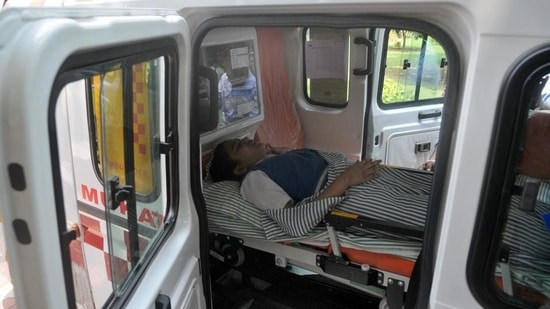
Examining incidences from the past, one would realise that most large-scale events in India are ill-organised. So many people have lost their lives at mass gatherings due to a
Kunnath Krishnakumar, popularly known as KK, was performing at an event in Kolkata when he felt the first symptoms of what later turned out to be a heart attack. KK had to rush back to his hotel, and before he could receive any help, he had already suffered a fatal stroke.
Examining incidences from the past, one would realise that most large-scale events in India are ill-organised. So many people have lost their lives at mass gatherings due to a lack of adequate Emergency Medical Services (EMS). While it would be appropriate to have a dedicated EMS facility at events, organisers are oblivious to this, and it is rare to witness ambulances parked at event sites. The venues where large-scale events are generally organised get heavily crowded, and often have faulty ACs and cooling devices which can trigger health complications. The help desks have limited information and are unable to assist those in need of medical care.
Trauma casualties in India happen at an alarming rate. According to an AIIMS study, 98.5% of ambulances in India carry dead bodies. EMS can help the patients in the critical golden hour--the period when primary medical care can help to stabilise the patient to remain viable for a detailed treatment later. The patient, in most cases, is responsive during the golden hour, and primary medical aid can help him get through the time taken to reach a hospital and proper medical care.
Ambulance services in India are either too late or without the necessary equipment and trained paramedics, which results in casualties. Estimates of an AIIMS study indicate that a whopping 90% of ambulances in India are without oxygen supplies. The report further claims that 95% of these ambulances do not have Emergency Medical Technicians (EMTs). Also known as paramedics in common parlance, these technicians can help save the life through CPR and other assisted techniques.
The idea of EMS is limited to medical transportation in India. However, medical transportation is a minor subset of the total gamut. Emergency response is critical to EMS, and the Indian government and the health care facilities in the country need to recognise this at the earliest. While many urban centres have helpline numbers like 102 and 108 to seek ambulance services, the ambulances rarely arrive in time and are without the essential facilities for emergency response.
The health care authorities must formulate and enforce guidelines for EMS, and every ambulance service provider must comply with them to run their services. A dedicated committee or body should regulate the EMS system in the country, which will help eliminate the discrepancies, and a robust EMS system would develop in the country. On the policy level, the government must strengthen laws and regulations governing large-scale events and functions. The event planners who do not abide by these rules should not be allowed to host future events to protect innocent lives.
(The article is authored by Prabhdeep Singh, founder and CEO StanPlus, India's largest medical emergency response platform.)
One Subscription.
Get 360° coverage—from daily headlines
to 100 year archives.
Archives
HT App & Website