Chandeliers shone bright on a 10-member orchestra as some forgotten musical instruments came alive, as if on cue, to pay tribute to the late music director Rahul Dev Burman (RD Burman) aka Pancham da. Transporting music lovers to the era of Pancham da was the event, Dilkash — Pancham Classics, held at Apparel House in Gurugram on Saturday, which marked the legend’s 87th birth anniversary.
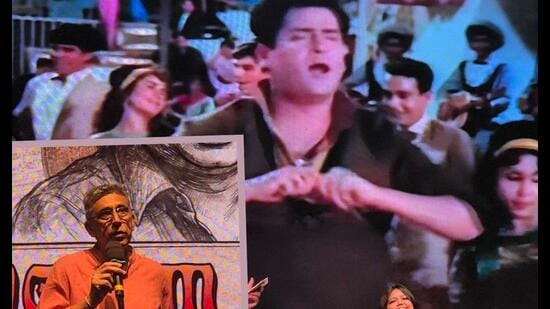
On stage, anchor Rajeev Beotra shared, “RD Burman was called Pancham because he used to cry in the fifth note.” Thus commenced a live geetmala that introduced music lovers to the passion project of four NCR individuals from corporate background, who came together to fuel their passion for music via this non-profit venture. These four are also curators of the show: Prem Syal, Rajeev Beotra, P Balaji, and Aseem Soni.
The curators joined the local singers on stage for rendition of some of the masterpieces from Pancham’s rich oeuvre including Aaja Aaja Main Hoon Pyaar Tera and Pyar Hua Chupke Se. In the background, visuals of these classic were screened to create an engaging spectacle. “We wanted to offer the right blend of his life journey interspersed with relevant songs, in two-and-a-half hours,” shares Aseem, adding, “This is just the beginning, for we aim to have a programme every quarter where we celebrate and resurrect a musical personality’s golden era by sharing anecdotes combined with his/her contribution to popular Indian music.”
As one gets reminded of how Pancham da created musical effects, back in the day, using items of everyday use such as beer bottles, sandpaper, and combs, Beotra highlights that one aspect of the maestro’s life which has stood out for him the most. “RD Burman didn’t just compose songs — he changed the way India listened to music,” says Beotra, adding, “He blended melody with rhythm, harmony, and fearless experimentation, creating music that sounded decades ahead of its time and still feels fresh today.”
{{/usCountry}}As one gets reminded of how Pancham da created musical effects, back in the day, using items of everyday use such as beer bottles, sandpaper, and combs, Beotra highlights that one aspect of the maestro’s life which has stood out for him the most. “RD Burman didn’t just compose songs — he changed the way India listened to music,” says Beotra, adding, “He blended melody with rhythm, harmony, and fearless experimentation, creating music that sounded decades ahead of its time and still feels fresh today.”
{{/usCountry}}For more, follow @htcity.delhijunction