While the iconic gudi—a silk cloth, garlanded pot, and neem leaves placed outside homes—symbolises victory and prosperity, the true spirit of the festival often comes alive in the kitchen. Beyond celebration, the Gudi Padwa menu reflects centuries of seasonal wisdom. The dishes prepared on this day are deeply connected to the transition from winter to summer, combining flavours and ingredients that help the body adapt to rising temperatures while also symbolising a blend of sweet, bitter, sour, and spicy experiences.
The Ritual of Tasting Life
One of the most significant culinary aspects of Gudi Padwa is the consumption of neem leaves mixed with jaggery, sometimes accompanied by tamarind, pepper, or cumin. This symbolic mixture represents the philosophy that life contains both sweetness and bitterness.
Chef Aniruddha Deshpande, executive Chef at a Mumbai-based heritage restaurant, explains: “This ritual is not merely symbolic. Neem acts as a natural detoxifier and immunity booster, while jaggery provides instant energy. After winter, the body needs cleansing, and traditional Indian festivals often reflect such seasonal health wisdom.”
Thali to savour
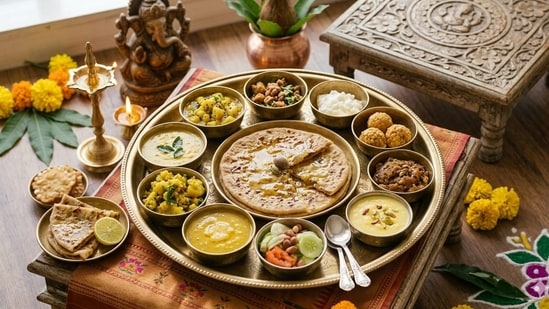
A typical Gudi Padwa celebratory meal is often served as a traditional Maharashtrian thali, featuring dishes that balance taste, nutrition, and symbolism. Staples include Puran Poli, the beloved sweet flatbread stuffed with jaggery and chana dal, served generously with ghee. Alongside it are dishes like Shrikhand, Batata Bhaji, Varan Bhaat, Koshimbir, and seasonal vegetables.
Chef Megha Kulkarni based in Nagpur, a pastry and dessert specialist, highlights the emotional significance of the festive sweet: “Puran Poli is more than a dessert; it’s heritage wrapped in dough. Families gather to prepare it together, and its richness symbolizes abundance and prosperity for the coming year.”
A seasonal plate rooted in nature
{{/usCountry}}Chef Megha Kulkarni based in Nagpur, a pastry and dessert specialist, highlights the emotional significance of the festive sweet: “Puran Poli is more than a dessert; it’s heritage wrapped in dough. Families gather to prepare it together, and its richness symbolizes abundance and prosperity for the coming year.”
A seasonal plate rooted in nature
{{/usCountry}}Spring ingredients dominate the Gudi Padwa kitchen. Tender mangoes, fresh coconut, jaggery, and lentils appear frequently in recipes. These ingredients are believed to cool the body, support digestion, and replenish energy.
Chef Sujal Satish Jawale from Mumbai, known for his modern interpretations of regional cuisine, observes: “Indian festivals follow a remarkable culinary calendar. Gudi Padwa arrives when the climate is shifting, so the food emphasizes digestive comfort—lentils, mild spices, and natural sweeteners like jaggery rather than refined sugar.”
Wisdom from the home kitchen
For many families, however, the festival remains deeply personal and rooted in the home kitchen. Pune-based home cook Sunanda Joshi describes how the day begins with prayers and ends with a lovingly prepared meal.
“We start with neem and jaggery after the morning ritual. Then the meal includes Puran Poli, varan-bhaat with ghee, potato bhaji, papad, and sometimes shrikhand. The idea is to cook everything fresh and share it with family—it sets the tone for the entire year,” she says.
Tradition meets modern twists
With the growing popularity of regional cuisines, even cloud kitchens have embraced the festival’s culinary traditions. Aditi Kale, founder of a Mumbai-based Maharashtrian cloud kitchen, notes a sharp increase in festive orders around Gudi Padwa.
“People living away from home crave authentic festival food. Our most requested dishes are Puran Poli, Shrikhand, and festive thalis. What’s beautiful is that even younger generations want to reconnect with these traditions through food.”
Celebrating the balance
The traditional menu, with its thoughtful mix of flavors and ingredients, mirrors this philosophy perfectly. As Chef Deshpande reflects, “If you study Indian festive food carefully, you realise it is not accidental. It carries cultural memory, seasonal intelligence, and emotional connection—all served together on one plate.”