E-Paper



3 rhino calves rescued during floods at Kaziranga to be shifted to Manas Tiger Reserve
The translocation is part of an ongoing effort to increase wildlife at MTR, a national park, which was ravaged for nearly two decades due to insurgent activities and rampant poaching.


Three rhino calves rescued two years ago during floods at the Kaziranga National Park and Tiger Reserve in Assam will be trans-located to Manas Tiger Reserve (also in Assam) on Saturday.
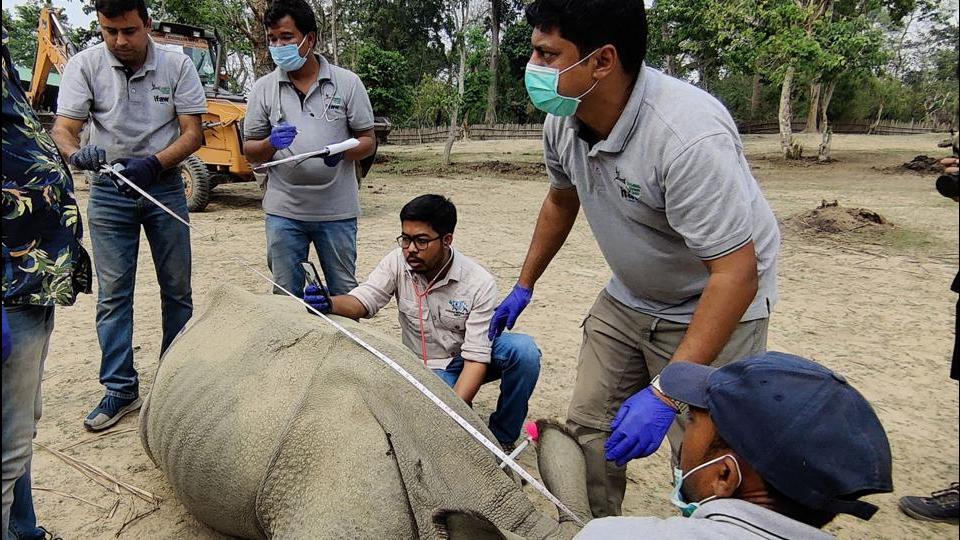
The calves---two females and a male--- are being taken from the Centre for Wildlife Rehabilitation and Conservation (CWRC) near KNPTR where they were kept for the past two years to their new home at MTR located nearly 300 km away.
The translocation is part of an ongoing effort to increase wildlife at MTR, a national park, which was ravaged for nearly two decades due to insurgent activities and rampant poaching.
The two females were rescued by the forest department and Wildlife Trust of India (WTI) personnel from Hatimura (Biswanath- North Bank) and Kuthuri areas whereas the male was rescued from Solmara during the Kaziranga floods that hit in July-August 2019.
“These rhino calves have undergone a protocol of rehabilitation for two years before they are trans-located to MTR. On Friday, all three had health check-ups and markings done before they were loaded in individual crates for the translocation,” said a WTI release.
The convoy is expected to reach MTR in the early hours of Saturday for the scheduled release of the animals in their dedicated enclosure, where they will be kept for a stipulated period for habituation before their final release in the wilderness of the reserve.
“It is the right time to release them, as the calves will be developing horns. The intra-state rhino translocation will help in improving the gene pool and give respite from any epidemics in future,” P Sivakumar, director, KNPTR.
Till date 19 rhinos have been trans-located to MTR since 2006 taking the rhino population in the reserve to 44 at present.
“The release of flood-rescued and rehabilitated rhinos into MTR is a part of the long-term project where the trans-located rhinos have bred, and their progeny have added to the rhino population of the reserve,” the release said.