Adhir Ranjan Chowdhury is a senior Indian politician of the Indian National Congress who rose from West Bengal state politics to become a prominent national leader. He entered politics in the 1970s with links to the Naxalite movement before formally joining the Congress during the Rajiv Gandhi era.
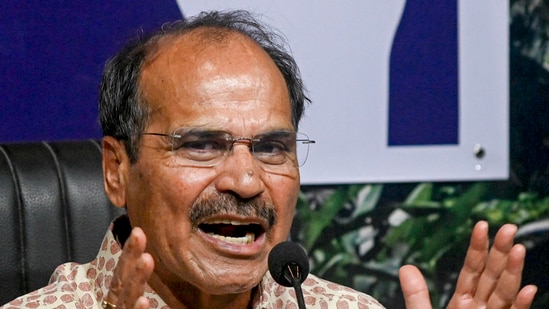
Over time, he built a strong base in Murshidabad, first as an MLA from Nabagram and later as a long-serving MP from Berhampore, emerging as one of the party’s most influential leaders in the region.
His political career includes major electoral victories, organisational roles, and ministerial responsibilities.
After a narrow defeat in 1991, he won Nabagram in 1996 and entered the Lok Sabha in 1999 with a strong mandate from Berhampore. He went on to hold key parliamentary committee positions and served as Minister of State for Railways in 2012. However, in a major setback, he lost the 2024 Lok Sabha election from Berhampore to Yusuf Pathan by a large margin.
5 key facts about him:
- In the 1970s, he was associated with the Naxalite movement before formally joining the Indian National Congress during Rajiv Gandhi’s leadership.
- He contested from Nabagram in 1991 but lost by 1,401 votes amid a tense and violent election environment, where he reportedly faced strong opposition during polling.
- In 1996, he won the Nabagram Assembly seat with 76,852 votes, defeating his rival by around 20,329 votes, marking a strong political comeback
- He won the 1999 Lok Sabha election from Berhampore by 95,391 votes, defeating Pramothes Mukherjee of the Revolutionary Socialist Party and later became Congress president of Murshidabad district.
- He served as Minister of State for Railways in 2012 under the Manmohan Singh government but lost the 2024 Lok Sabha election from Berhampore to Yusuf Pathan by over 85,000 votes following which he resigned as the president of the West Bengal Pradesh Congress Committee (WBPCC).
- In the 1970s, he was associated with the Naxalite movement before formally joining the Indian National Congress during Rajiv Gandhi’s leadership.
- He contested from Nabagram in 1991 but lost by 1,401 votes amid a tense and violent election environment, where he reportedly faced strong opposition during polling.
- In 1996, he won the Nabagram Assembly seat with 76,852 votes, defeating his rival by around 20,329 votes, marking a strong political comeback
- He won the 1999 Lok Sabha election from Berhampore by 95,391 votes, defeating Pramothes Mukherjee of the Revolutionary Socialist Party and later became Congress president of Murshidabad district.
- He served as Minister of State for Railways in 2012 under the Manmohan Singh government but lost the 2024 Lok Sabha election from Berhampore to Yusuf Pathan by over 85,000 votes following which he resigned as the president of the West Bengal Pradesh Congress Committee (WBPCC).