
 E-Paper



African swine fever: Culling of infected pigs begins in Kerala’s Wayanad
Samples sent to the National Institute of High Security Diseases in Bhopal confirmed the disease on Friday


The culling of pigs infected with African swine fever has started in Wayanad (north Kerala) after the state government assured pork farmers that they will be compensated properly.
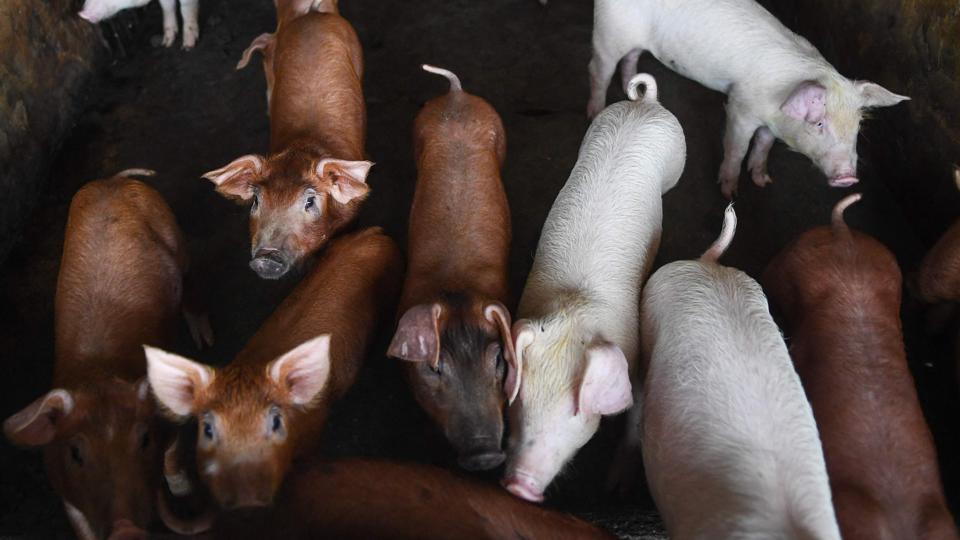
Earlier farmers had refused to heed the order fearing huge losses but later Wayanad sub-collector R Sreelakshmi assured them and they consented to culling the infected pigs. Around 300 pigs will be culled and buried near the farms in Mananthawadi, the Wayanad sub-collector said.
“They had some apprehensions about the relief package. We told them that they will be compensated equivalent to the weight of the meat the animal carried. The amount will be distributed without any delay,” said the sub- collector adding that rapid response teams of the animal husbandry department had started work.
Samples sent to the National Institute of High Security Diseases in Bhopal confirmed the disease on Friday. The Kerala government had already extended the ban on the inter-state sale and transportation of pigs and pork-related products. Health experts have also asked people to cook red meat properly before consumption.
Though experts said animal to human transmission is rare they called for extreme caution. State Animal Husbandry Minister Chinchu Rani said the government will take measures to contain the disease. Besides Wayanad, an alert was also sounded in Kozhikode. The state has tightened bio-security measures following an alert from the Union government after some cases were reported from Bihar and West Bengal earlier this year.
According to the World Health Organisation (WHO), African swine fever is a highly contagious viral disease prevalent in wild and domestic pigs with a very high mortality rate. There is no vaccine for the disease yet and it is not a threat to human beings but affects the pork industry and livelihood of farmers in a big way. It was first detected in Kenya in 1921.


