
 E-Paper



Ahead of Goa assembly session, activists seek discussion on infra projects
The demand comes after a Supreme Court-appointed committee recommended the scrapping of a railway double-tracking project there, saying it will be ecologically damaging with very little in the form of economic benefit


Ahead of the three-day monsoon session of the Goa assembly from Wednesday, activists protesting against three infrastructure projects in the Western Ghats in the state have asked the government to clarify its stance on them. The demand comes after a Supreme Court-appointed committee recommended the scrapping of a railway double-tracking project there, saying it will be ecologically damaging with very little in the form of economic benefit. The panel has recommended that two other projects related to the power lines and highway expansion be allowed to go ahead but with alterations in alignment and scale.
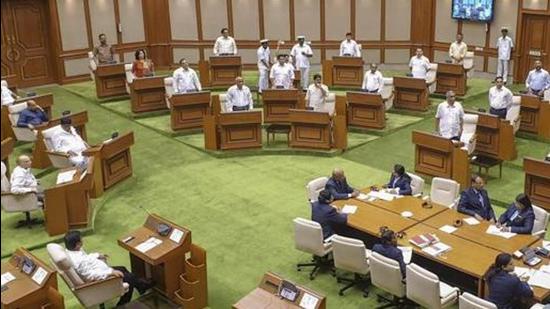
Gilbert Soyus, an activist, cited the climate crisis causing widespread damage in the state and added it is highly imperative that the assembly discussions include and highlight the environmental issues especially the three projects in the Western Ghats.
The activists are demanding that the issues, which triggered major protests last year, be taken up during the assembly session and not be forgotten.
“What does the ruling party have to say about the Central Empowered Committee’s recommendations on the three infrastructure projects...? Is the opposition going to hold them accountable?” asked Mithila Prabhudesai, another activist.
Flooding across the state has renewed citizens’ concerns about the three projects.
The Supreme Court-appointed panel has said there was “no justification” for undertaking the doubling of the existing single-line railway track between Tinaighat in North Karnataka and Vasco da Gama in Goa through ecologically sensitive Western Ghats. It has recommended that the permissions granted for the project be revoked.
Civil society and environmental activists in Goa have opposed the projects saying they will irreversibly damage the sensitive region, which is recognised as one of the world’s top biodiversity hotspots.
The Standing Committee of the National Board for Wildlife in April last year granted its approval for the three projects and sparked an uproar.


