The 1991 law protecting the character of places of worship does not apply to mosques, lawyer and Bharatiya Janata Party (BJP) leader Ashwini Kumar Upadhyay said in an application filed in the Supreme Court on Monday seeking impleadment in the Gyanvapi mosque case.
Upadhyay has challenged the Places of Worship (Special Provisions) Act, 1991, which locks the “religious identity” of any place of worship as it existed on August 15, 1947, in a separate petition on October 28, 2020. The top court issued a notice on March 12 last year on that plea.
Also read: Gyanvapi mosque case: Varanasi court completes hearing, reserves order
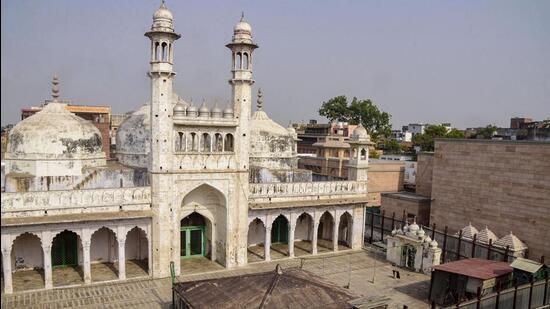
The Gyanvapi mosque management committee’s plea against the survey of the mosque impacts his fundamental rights, Upadhyay said in his application on Monday.
The committee cited the 1991 law to oppose the survey. It said a Varanasi civil court could not have ordered a survey of the Gyanvapi mosque in view of the law which protects the status of places of worship.
A temple is a place of worship as god resides therein, Upadhyay said. “That’s why the temple is always a temple and its religious character never changes. On the other hand, a mosque is simply a place of prayer...” The religious character of the temple and mosque is totally different, he said. “So, the 1991 Act can’t be applied to the mosque.” The application is expected to be taken up by the SC on July 21.
{{/usCountry}}A temple is a place of worship as god resides therein, Upadhyay said. “That’s why the temple is always a temple and its religious character never changes. On the other hand, a mosque is simply a place of prayer...” The religious character of the temple and mosque is totally different, he said. “So, the 1991 Act can’t be applied to the mosque.” The application is expected to be taken up by the SC on July 21.
{{/usCountry}}