
 E-Paper



At 77, Kaajee Singh becomes first Gorkha-Nepali musician to receive Padma Shri
Credited with popularising the traditional Maruni dance and the Shree Maadal, Kajee Singh lives in the Kalimpong hills of north Bengal.

 Prefer HTon Google


SILIGURI: Hours after the Centre announced on Saturday that he has been honoured with the Padma Shri award, 77-year-old percussionist Kaajee Singh said he could have earned more laurels and money had he not left the Mumbai film industry 39 years ago to return home and study Gorkha and Nepali music and Shree Maadal, a traditional drum.
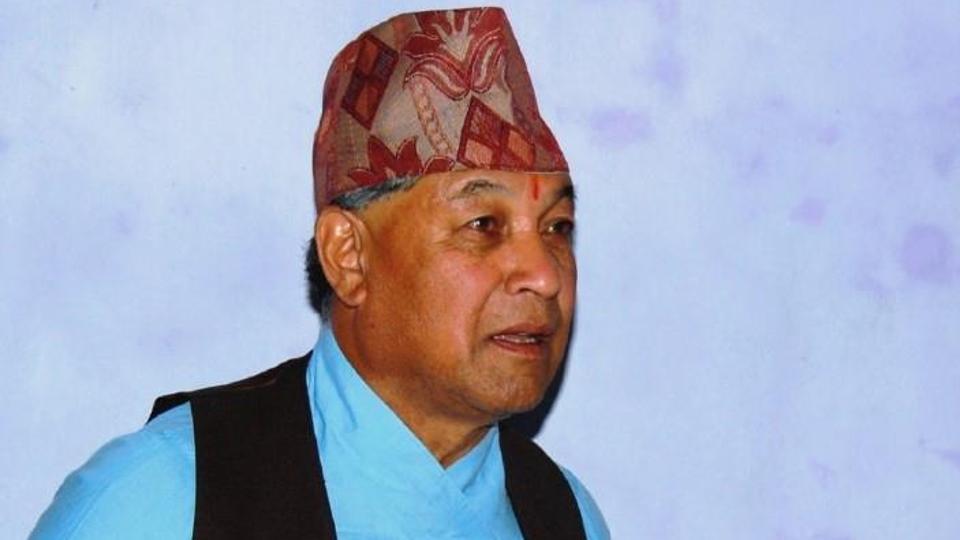
“I never worked for awards and laurels. I returned from Mumbai thinking that Shree Maadal should be preserved and made popular among people of the coming generations,” said Singh.
Credited with popularising the traditional Maruni dance and the Shree Maadal, Singh lives in the Kalimpong hills of north Bengal. Based in Darjeeling, the family has been contributing to music for three generations.
The father of two children invented the classical notations for Shree Maadal in 1974. He also published more than five books on the instrument and local folk music.
Though maadals are commonly used in traditional Indian music, the Shree Maadal is a typical part of Nepali and Gorkha folk music.
Born in 1945, Singh developed an interest in folk culture and music during his childhood under the influence of his parents.
Singh started with the Maaruni dance form in 1952. As he grew up, he took to Maadaley Geet, a traditional song, and also started taking lessons in Shree Maadal from his father Indrajeet Singh Sardar who was one of the pioneering exponents.
Singh went to Mumbai in 1974 and worked with legendary composer duos such as Laxmikant-Pyarelal, Kalyanji-Anandji and Shankar-Jaikishan and composer Ram Laxman for nine years. He returned to Kalimpong in 1983.
“Though my father was doing very well in Mumbai, he never forgot his roots. He always thought of popularising our traditional music through books. This was the primary reason for his research,” said the veteran’s son Nishaant Singh who is a guest professor of Pakhawaj, another old percussion instrument, at the department of cultural affairs of the Ramakrishna Mission at Belur Math, Howrah.
Kaajee Singh still works for more than eight hours a day, doing research or writing books. He also runs the Sanskriti Sangrakshan Sansthan in Kalimpong.


