Syed Ali Shah Geelani, one of the most well-known faces of the Kashmiri separatist movement, announced his exit from the Hurriyat Conference faction that he headed for 17 years this week after an intense power struggle within the Pakistan-backed group including its chapter in occupied Kashmir.
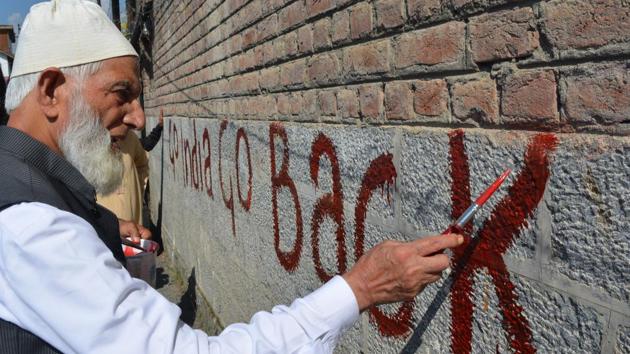
As he stepped down from the leadership role of the group that he had once aspired to lead for the rest of his life, 90-year-old Geelani and his aides also appeared to out some of the problems within the separatist movement and the grouping of around two-dozen separatist outfits.
Like the cross-border narcotics trade, also sponsored by Inter Services Intelligence, that the Pakistani establishment had been running via terrorist groups in Kashmir. This wasn’t the first time that he had flagged the issue. Geelani has been known to occasionally refer to the involvement of Pakistan, or land of the pure, in Kashmir’s drug trade.
Geelani, however, had been most upset about his weakening grip over his grouping’s faction in Pakistan-occupied Kashmir.
Also Read: A reset in Kashmir policy | HT Editorial
{{/usCountry}}Also Read: A reset in Kashmir policy | HT Editorial
{{/usCountry}}The ISI had been promoting lesser known younger leaders in the Pakistan-occupied Kashmir chapter and encouraged differences within this chapter. Geelani did fight back and nominated Abdullah Gilani to the top post. Abdullah is the brother of Delhi University professor SAR Gilani who was acquitted in the Jaish-e-Mohammad-led 2001 Parliament attack case that killed eight security personnel and a gardener.
Also Watch l SAS Geelani quits Hurriyat Conference, lashes out at cadre in his letter
But the ISI had Geelani’s directive rescinded and engineered the election of Mohammad Hussain Khateeb as the PoK chapter’s convenor to embarrass the leading face of the Kashmiri separatist movement.
A red-faced Geelani listed a litany of complaints. Geelani had been sore that representatives of the PoK chapter had been sending their relatives to the PoK assembly over the last two years, were indisciplined, engaged in rampant corruption; essentially out of his control.
“The leaders there were trying to be part of government and ministries. There was internal bickering, fear of losing posts, financial irregularities, and many other issues. Recently after investigations, some people were expelled and as the investigations were going on against other people, the representatives of your parties started calling separate so-called meetings which led to the dissolution of the chapter till further orders,’’ Geelani said in a letter announcing his decision to step down from the hurriyat conference.
Back in Srinagar, the ISI wanted to push out the old guard and bring in younger members of the PoK chapter to assume a leadership role so that they are more aggressive in challenging India.
The ISI has been disappointed with the Kashmiri separatist leaders for their inability to provoke people to hit the streets after the Centre last August scrapped Jammu and Kashmir’s special status in the Constitution. Geelani pinned the blame for this lapse on other hurriyat leaders in Kashmir, pointing that he had nudged leaders to take a lead role but didn’t get a response.
The Kashmiri diaspora in the UK and Europe has reacted sharply to Geelani’s exit, blaming the emerging leadership in PoK for conspiring with the Pakistan government to create the circumstances that led to Geelani’s resignation. There has also been speculation that some other Hurriyat leaders such as Shabir Shah of the Democratic Freedom Party were also looking at their continuation under the banner of the hurriyat.