The Biju Janata Dal (BJD) on Wednesday demanded passage of a resolution in the Odisha assembly to support the continuation of the government’s support for the UNESCO Kalinga Prize for the Popularization of Science, saying the international science award was a symbol of Odia pride.
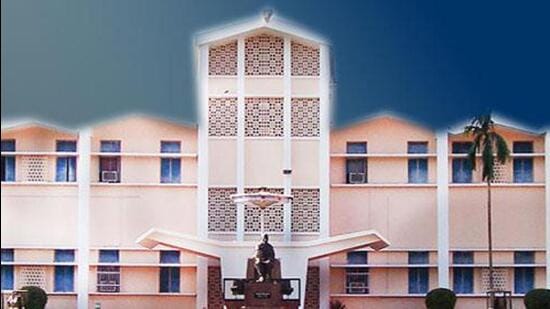
The prize, described by UNESCO as its oldest, was instituted in 1952 with a grant from former chief minister Biju Patnaik who was president of the Kalinga Foundation Trust. Since 2001, the Union science ministry has been supporting this award which carried a cash prize of US$ 40,000. The laureate also receives the Kalinga Chair established by the central government which comprises a certificate and cash award of US$5,000. Apart from the science ministry, the Kalinga Foundation and the Odisha government also contribute towards the US$ 40,000 award money ( ₹33.5 lakh).
Last month, it emerged that the Union science and technology ministry has withdrawn its contribution to the prestigious award, reportedly as part of a decision to rationalise all science awards.
BJD lawmakers Goutam Buddha Das and Kalikesh Singh Deo opposed the central government’s decision during Zero Hour in the state assembly on Wednesday, arguing that the UNESCO prize named after the state’s ancient name, Kalinga, helped Odisha gain international recognition and prestige.
{{/usCountry}}BJD lawmakers Goutam Buddha Das and Kalikesh Singh Deo opposed the central government’s decision during Zero Hour in the state assembly on Wednesday, arguing that the UNESCO prize named after the state’s ancient name, Kalinga, helped Odisha gain international recognition and prestige.
{{/usCountry}}“The UNESCO Kalinga Prize is a unique honour for Odisha, and its discontinuation would be a loss,” Das said. Singh Deo said the Odisha government should consider taking on the responsibility to ensure its continuation if the Centre was reluctant to support the award,
BJD chief and former Odisha Chief Minister Naveen Patnaik protested the Centre’s decision in a letter to union science and technology minister Jitendra Singh last month.
“The Kalinga Prize is not just a symbol of Odia pride but it has set a legacy for independent India in the comity of nations globally… This prize was made possible with a generous grant of 1,000 pounds to UNESCO from Kalinga Foundation Trust… of which Biju Babu was the founder president. UNESCO Kalinga Prize is the only international award from India in the field of popularisation of science. Over the years, it has been a highly coveted prize and has also become a symbol of Odia identity at the international level… Kalinga prize is not just an international award but it is a great legacy, which the people of Odisha are proud of and identify with,” Patnaik said in his letter.
So far, the prize has been awarded to 72 scientists including seven Nobel laureates such as Julian Huxley, Bertrand Russel, Arthur C Clarke and Fred Hoyle.