E-Paper



Can’t roll out red carpet: SC on Rohingya migrants
The Supreme Court on Tuesday expressed its reservation over extending judicial protection to undocumented Rohingya migrants, questioning whether courts and governments are expected to “roll out a red carpet” for illegal entrants

 Prefer HTon Google


The Supreme Court on Tuesday expressed its reservation over extending judicial protection to undocumented Rohingya migrants, questioning whether courts and governments are expected to “roll out a red carpet” for illegal entrants when millions of Indian citizens continue to struggle for basic welfare entitlements such as food, education, housing and medical care.
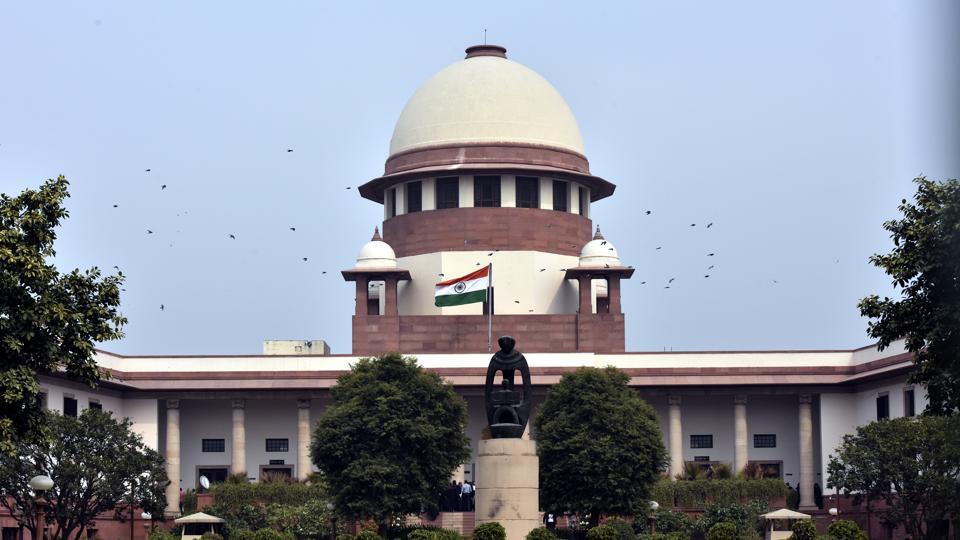
A bench of Chief Justice of India Surya Kant and Justice Joymalya Bagchi indicated that illegal entrants cannot demand welfare rights on par with citizens. “You cross a fence; you dig a tunnel and you somehow enter the country and then ask for a variety of rights. You say ‘I am entitled to food, shelter and my children are entitled to a few things’. You want to stretch the law like this?”
The bench , hearing a plea alleging the custodial disappearance of five Rohingya previously detained by authorities, asked how far constitutional protections can be stretched to accommodate those who entered India without legal permission. The bench also cast doubt on the repeated characterisation of such individuals as “refugees,” noting that refugee status is a legally defined category and that it would have to be demonstrated whether such status has been granted.
“How do you call them refugees? ‘Refugee’ is a well-defined term. Have they been given that status or are they just intruders?” the bench asked the counsel for activist-petitioner Rita Manchanda, who had sought details of the alleged deportation of five detainees.
“Do we have an obligation to keep an intruder here when the legal status of refugee has not been accorded?” asked the court, making it clear that the issue extends beyond the fate of the five individuals.
When counsel argued that the petition concerned custodial disappearance, not deportation, the bench continued its line of questioning: “We have a very sensitive border in our north and east. I hope everyone is aware of what is happening inside the country. Do you want red carpeting for intruders and that we will provide all facilities to them instead of being sent back to their country?”
“We also have poor people in this country and they are our own citizens. Should we not first look at them and prioritise their well-being? Even if someone has entered illegally, they should not be tortured or treated illegally. But that does not mean petitions can ask for fanciful prayers and bringing them back,” it added.
Solicitor General Tushar Mehta supported the court’s position, saying that recent petitions have expanded dramatically in scope under the guise of public interest, and that individuals unconnected to the detainees are now demanding sensitive operational documents. “There is a problem with these petitions now. They are asking for all kinds of documents. A PIL petitioner who has nothing to do with Rohingya issues is seeking details,” said Mehta.
The court posted the matter for December 16, directing that it be heard with a pending batch of cases concerning Rohingya migrants.
At the centre of the wider legal battle is a batch of 22 petitions in which the court, on July 31, framed key questions regarding the legal status of Rohingya entrants -- whether they are entitled to the designation of refugees or are illegal migrants required to be deported under Indian law.
“The first major issue is whether they are refugees or illegal migrants,” the bench had said at the time, noting that if refugee status is recognised, certain statutory protections follow. If not, deportation becomes mandatory.
The July 31 order also framed two consequential questions as to whether illegal entrants can be detained indefinitely or released on bail; and whether those living in camps must be provided basic amenities such as drinking water, sanitation and education.
India is not a signatory to the UN Refugee Convention and has resisted international pressure to formally recognise Rohingyas as refugees, maintaining that national security concerns must prevail. In April 2021, the Supreme Court permitted the Centre to take deportation measures “as required under law,” holding that the right not to be deported is not available to non-citizens under Article 19.
The December 16 hearing is expected to now examine both the alleged disappearance claim and the broader legal questions shaping the fate of Rohingyas in India.