
 E-Paper



‘Chhattisgarh to adopt pool sample testing’: Health minister TS Singh Deo on Covid-19
Pooling of samples involves testing them in batches and when pooled sample tests positive, then individual samples are assessed. This method reduces the number of test kits used, compared to testing individual samples.

 Prefer HTon Google


To speed-up the testing process of the Covid-19 samples, Chhattisgarh will adopt pool sample testing used by Germany and Israel to contain the spread of virus.
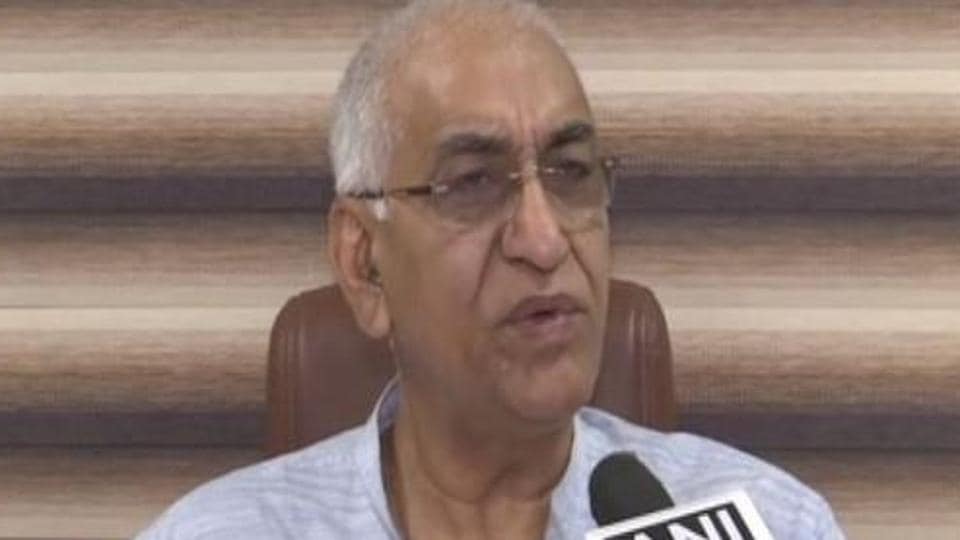
Chhattisgarh health minister TS Singh Deo, talking to Hindustan Times, said that in the next two days the state will start pool sample testing and preparations for the testing started on Wednesday.
“In order to effectively use the extended lockdown period, I have initiated measures to start pool testing, in at least one of our labs, at the earliest…This would help us in increasing Covid-19 testing by manifold,” the minister said.
“In Chhattisgarh, although the number of coronavirus cases is less, but the cases are increasing rapidly, due to which it is very important to increase the number of tests being conducted by the lab. Given the acute kit shortage, samples of suspected Covid-19 patients will be ‘pooled’ to reduce the number of kits tested,” said a note released by the health minister’s office.
Pooling of samples involves testing them in batches and when pooled sample tests positive, then individual samples are assessed. This method reduces the number of test kits used, compared to testing individual samples.
On Tuesday, two more people, including a woman, tested positive for coronavirus in Korba district of Chhattisgarh, taking the number of such cases in the state to 33.
Both cases were reported from Katghora town, which has emerged as the top Covid-19 hotspot in the state. The town, located around 200 km from the state capital Raipur, accounts for 24 of the 33 infections detected so far in the state.
-kW0H-U20214218012MgB-250x250%40HT-Web.jpg)


