
Chhattisgarh to provide power supply to farmers to draw water from rivers
The officials said chief minister Bhupesh Baghel has instructed laying of electricity lines along the banks of rivers Indravati in Bastar, Shabari (Sukma), Hasdeo (Korba) on priority for the purpose
The Chhattisgarh government is planning to provide power connections to farmers in forested areas to draw river water for irrigation to discourage the use of groundwater, officials aware of the matter said.
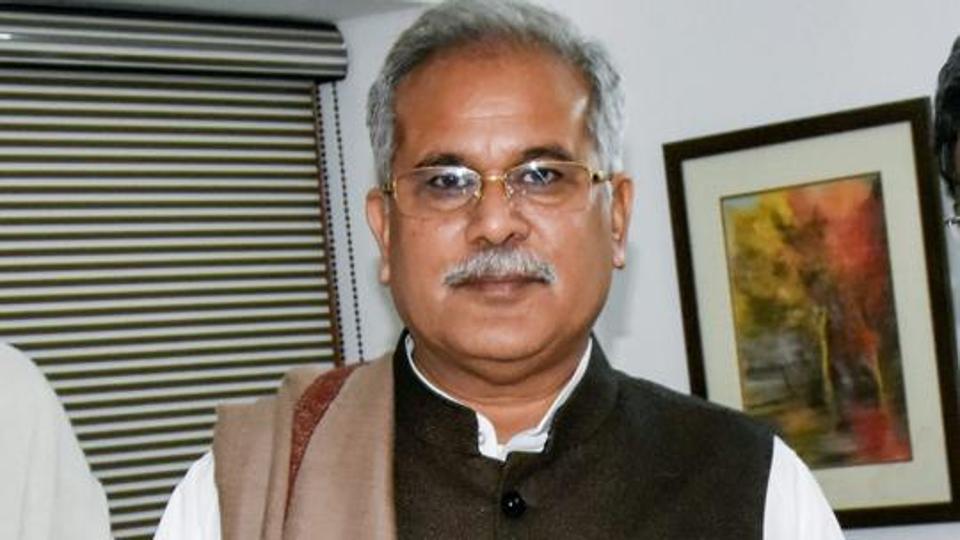
The officials said chief minister Bhupesh Baghel has instructed laying of electricity lines along the banks of rivers Indravati in Bastar, Shabari (Sukma), Hasdeo (Korba) on priority for the purpose.
Also Read | Chhattisgarh anti-corruption bureau raids locations linked to former chief
District collectors have also been given targets to carry out bore mining using District Mineral Funds (DMF) for plantation. “...the places where tree plantation is proposed, bore mining work should be sanctioned under DMF and solar pumps should be made available. The solar community irrigation scheme should be linked with traditional ponds, and for the places with no ponds, construction of ponds should be done under MGNREGA,” an official said.
ABOUT THE AUTHORRitesh MishraRitesh Mishra is the State Correspondent for Chhattisgarh with Hindustan Times. He reports on Maoism, internal security, politics, mining, governance, and major developments shaping the state. Based in Raipur, he has covered Chhattisgarh since 2016, reporting extensively from the Bastar region and other conflict-affected areas. With nearly two decades of experience in journalism, Ritesh has built a reputation for ground reporting from some of India's most challenging terrains. His coverage spans Left-Wing Extremism, counter-insurgency operations, elections, tribal affairs, environmental issues, infrastructure, mining, and socio-economic developments. He has reported on major security operations, policy initiatives, wildlife crime, and the changing dynamics of conflict and development in Central India. Before moving to Chhattisgarh, Ritesh spent eight years reporting from Madhya Pradesh, covering politics, administration, crime, development, and social issues. Throughout his career, he has reported on various forms of extremism in Central India, combining field reporting with in-depth analysis to produce accurate, balanced, and impactful journalism. Prior to joining Hindustan Times, Ritesh worked with The Pioneer and The Free Press Journal, where he covered a wide range of beats and honed his skills in political, investigative, and field reporting. His reporting is marked by exclusive stories, extensive fieldwork, and a commitment to factual, on-the-ground journalism that brings complex issues to a wider audience.Read More

E-Paper


-kW0H-U20214218012MgB-250x250%40HT-Web.jpg)