E-Paper



12 children dead in Rajasthan, Madhya Pradesh; no toxins found in cough syrup
Biopsy reports initially showed kidney tissue analysis suggested DEG contamination in cough syrup given to the children

 Prefer HTon Google


The death toll from the suspected drug poisoning doubled to 12 children across Madhya Pradesh and Rajasthan on Friday, but there emerged a new mystery over what caused the fatalities after one set of officials said they found no trace of toxic contaminants in medicine samples they analysed.
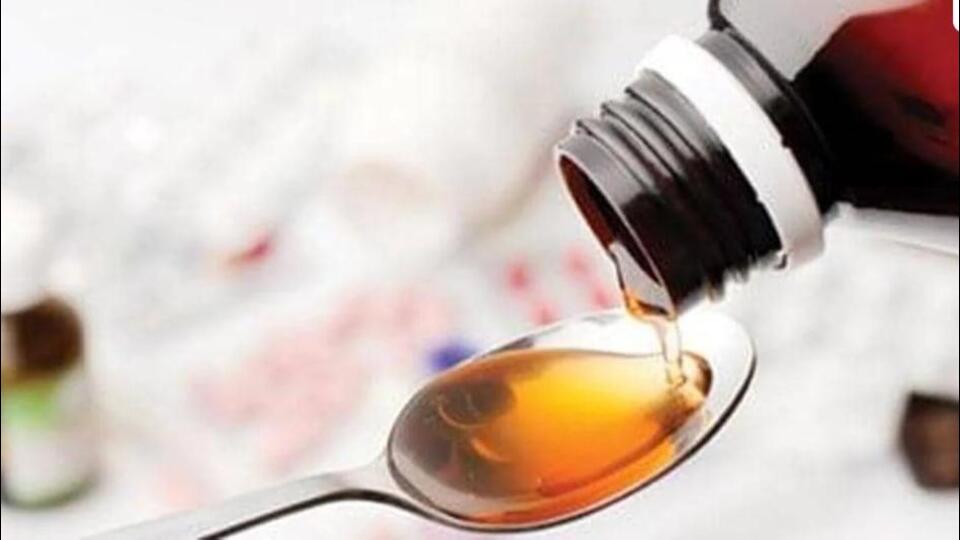
The ministry of health and family welfare said laboratory tests detected neither diethylene glycol (DEG) nor ethylene glycol (EG) — industrial chemicals known to cause acute kidney injury — in cough syrup samples collected from Chhindwara district, where nine children have died since early September, up from six reported earlier this week.
Biopsy reports cited earlier this week by Chhindwara district collector Sheelendra Singh initially showed kidney tissue analysis suggested DEG contamination in cough syrup given to the children.
To be sure, analysis of wider batches of the cough syrup is still pending.
With the suspected cause now in question, a multi-disciplinary expert team comprising representatives from the National Centre for Disease Control (NCDC), National Institute of Virology (NIV), Indian Council of Medical Research (ICMR), AIIMS Nagpur, Central Drugs Standard Control Organisation (CDSCO) and state authorities is investigating alternative causes, including contaminated water, disease vectors and respiratory pathogens.
NIV Pune detected Leptospirosis — a bacterial infection that can cause mild flu-like illness to severe disease with organ damage — in one child’s blood sample.
Samples of water, entomological vectors and respiratory specimens are under further investigation by the National Environmental Engineering Research Institute, NIV Pune and other laboratories, the government statement added.
In response to the deaths, the Directorate General of Health Services issued an advisory on Friday cautioning against prescribing cough syrups meant for adults to children.
“Most acute cough illnesses in children are self-limiting and often resolve without pharmacological intervention,” the advisory read, adding that cough and cold medications should not be prescribed or dispensed to children under two years of age.
Testing continues
Madhya Pradesh drug controller DK Maurya said results for antibiotic medicines came back clean on Friday, with no contamination detected in three of 13 samples sent for testing, including paracetamol. Results for two cough syrup brands — Coldrif and Nexa DS [IS IT NEXA OR NEXTRO DS]— are expected on Saturday.
“We had sent 13 medicines, including two cough syrups, for testing after biopsy reports raised suspicion of kidney failure due to diethylene glycol. Multiple agencies are involved to ensure accuracy,” Maurya said.
The Madhya Pradesh State Food and Drug Administration separately tested three samples and confirmed the absence of DEG and EG. The state drugs authority is conducting a detailed inquiry into the deaths, according to people familiar with the matter.
Thirteen children remain hospitalised in Nagpur, four in serious condition. All exhibited similar symptoms: initial fever and cold, followed by difficulty urinating. Health officials have screened 1,400 children, and no severe bacterial or viral infections have been detected that could be responsible for the deaths.
Around 120 children are being examined daily to detect and treat potential cases early, officials said.
The first death occurred on September 4. Mordongri sub-divisional magistrate Saurav Kumar Yadav confirmed another child died on Thursday night and urged parents to avoid treatment from unqualified practitioners and to immediately inform the administration if any child falls ill.
“The administration is working around the clock to identify the root cause and ensure proper medical care for affected children,” Yadav said.
Manufacturers under scrutiny
Initial investigations identified two cough syrups consumed by the victims. Coldrif, manufactured for 20 years by a Tamil Nadu-based company in Sunguvarchatram. Nexa/NEXTRO [/CHECK]-DS, produced in Himachal Pradesh for the past 18 months.
Yasin Khan, an auto driver in Chhindwara who lost his son, said: “I sold my auto to save my child, but he died within two weeks of developing a fever due to kidney failure.”
Afreen Khan, whose five-year-old son Adnan died, said the boy developed fever on August 21, briefly recovered, then began vomiting repeatedly on August 26. “He was admitted to Parasia Hospital. His fever returned the next day, and he was given an injection. He kept complaining of stomach pain and vomiting. He died soon after,” she said.
Three deaths in Rajasthan
In Rajasthan, where three children have now died, the health ministry clarified that the Dextromethorphan HBr Syrup — linked in two of the three fatal cases --- did not contain propylene glycol, which can be a potential source of DEG and EG contaminants.
But, it added, “the product under reference is a dextromethorphan-based formulation, which is not recommended for paediatric use,” the ministry said.
The third death, reported on Friday, is under investigation, officials added.
Health minister Gajendra Singh Khinvsar said the medicines were neither prescribed by government hospitals nor recommended by the department. “ Now, if any mother, parent, or guardian obtains medicine from elsewhere and gives it without a prescription, and such an incident occurs, the department has no role in it,” he said.
However, he did not clarify whether the syrup given to the deceased children had been sent for testing.
In Sikar, two-year-old Nityansh was given leftover Dextromethorphan syrup at home and was later found unconscious and declared dead. In Bharatpur, Samrat, who was critically ill with pneumonia, died on September 22 after taking cough syrup.
Sharma said the fatalities were linked to unsupervised use of cough syrup, not medical prescriptions. “Children should never be given medication without a doctor’s guidance,” he said.
In the third Rajasthan case reported on Friday, Nihal Singh, a resident of Luhasa in Weir tehsil of Bharatpur, said he had taken his two sons — Than Singh (5) and Teerthraj Singh (2) — to the Community Health Centre, where the doctor prescribed medicines and cough syrup.
Bablu Prasad Sharma, in-charge of the Weir Community Health Centre, said the cough syrup had already been banned by the state government following media reports. “The child was given antibiotics and syrup. The cause of death will be examined, and we are investigating whether the banned cough syrup was actually given to him,” he added.