The Indian Council of Medical Research (ICMR), which is studying reinfection among coronavirus (Covid-19) cases, has identified three to date that are being looked into, said Dr Balram Bhargava, director-general (D-G), ICMR, on Tuesday.
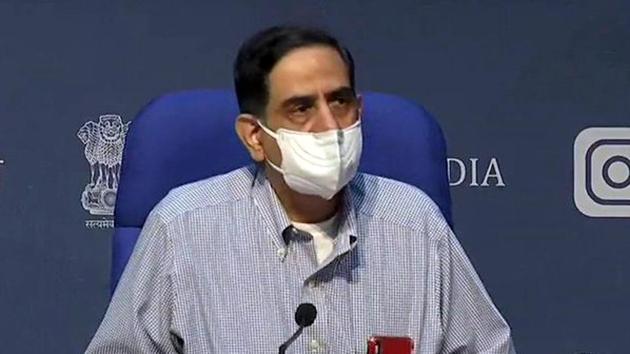
“We are studying the reinfection cases. So far, three such cases have been reported; two from Mumbai and one from Ahmedabad. There are various cut-off days that are being referred to for reinfection. Though the public is going by up to 110 days, we are taking 100 as the cut-off period because the antibodies last until then,” said Dr Bhargava.
Also read: Nevada man experienced severe symptoms during second bout of illness
A recent study, which is published in the journal Lancet Infectious Diseases, has found that reinfection could occur in Covid-19 patients, and the symptoms would likely to be more severe following the relapse of the viral infection.
“The World Health Organisation (WHO) has documented about two dozen cases of Covid-19 reinfection. We have established telephonic contact with the three cases of reinfection as part of our study. They are being looked into,” he added.
{{/usCountry}}“The World Health Organisation (WHO) has documented about two dozen cases of Covid-19 reinfection. We have established telephonic contact with the three cases of reinfection as part of our study. They are being looked into,” he added.
{{/usCountry}}On Sunday, Union minister for health and family welfare Dr Harsh Vardhan had also said that the ICMR had set up a committee of experts to study reported cases of reinfection among Covid-19 patients.
“The ICMR has commissioned a study to look into the cases of reinfection in the country. However, their results are still awaited,” the minister had said while responding to queries from the public on social media as part of the fifth episode of his Sunday Samvaad programme.
Dr Bhargava said though SARS-CoV-2, which causes Covid-19, was found to be mutating, the changes were negligible.
“They will have no impact on the effectiveness of the Covid-19 vaccine that is under various stages of development in several countries around the world. Major changes, which will have a bearing on vaccine efficacy, take up to 15 years and are called antigenic shifts. A minor antigenic drift is being reported,” he added.