As severe pain management increasingly becomes focus of hospitals in India, New Delhi’s All India Institute of Medical Sciences (AIIMS) will soon be the first ‘pain-free’ hospital in the country.
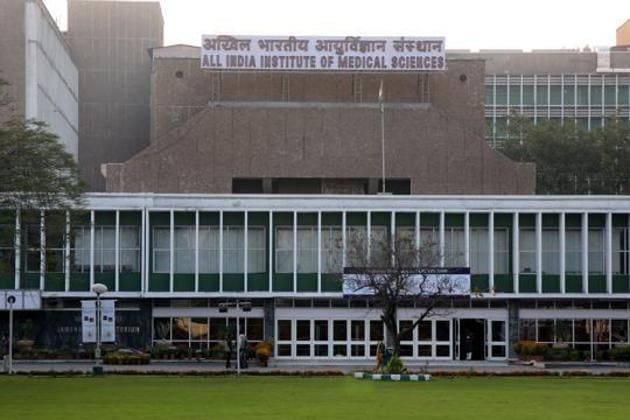
“Doctors measure a patient’s vital signs— body temperature, blood pressure, pulse rate, and respiratory rate, to know what is wrong. At AIIMS, we are including a fifth sign,” says Dr Sushma Bhatnagar, head, onco-anaesthesia, pain and palliative care department, AIIMS.
According to norms, pain is self-reported by the patient on a scale of 1 to 10; and on it being severe, a dedicated pain management team is supposed help him/her feel comfortable.
However, of the 46 government hospitals in Delhi, only two have a palliative care team. “Palliative care is closely associated with cancer because all end-stage cancer patients need some form of pain relief. But, it is now moving to other specialities to provide relief from symptoms due to chronic diseases,” said Dr Suveena G Raheja, head, pain clinic, Safdarjung hospital.
Realising the growing need for palliative care, Union government in 2013-14, came up with a palliative care programme under its National Health Mission (NHM).
{{/usCountry}}Realising the growing need for palliative care, Union government in 2013-14, came up with a palliative care programme under its National Health Mission (NHM).
{{/usCountry}}“If we look at the crude mortality rate of any place, 60% of those people need some form of palliation,” said Dr Alok Mathur, head, palliative care programme. “The objective of our programme is to help patients through the diagnosis and treatment, both physically and psychologically,” said Mathur.
There are NHM-supported palliative care facilities in 162 district level hospitals. These centres are at various levels of completion. “Telangana, Mizoram, Maharashtra and Tamil Nadu are the best performers,” said Dr Mathur. “Most commonly we get cases of paralysis due to road accidents. We teach the family how to take care of the patient— feeding, cleaning the tube, cleaning bedsores and turning them around to avoid sores etc,” said Dr PV Dayalan, Joint Director of Health Services at Thiruvallur.