E-Paper



US President threatens 200% tariffs on pharmaceutical imports
The US accounted for 31% of India’s $30+ billion pharma exports in 2024–25, per Pharmexcil, highlighting America's key role in India’s drug trade

 Prefer HTon Google


Washington: US President Donald Trump threatened to raise tariffs on pharmaceutical imports to 200% on Tuesday, months after his administration launched a trade investigation into the sector in which Indian manufacturers have significant stakes.
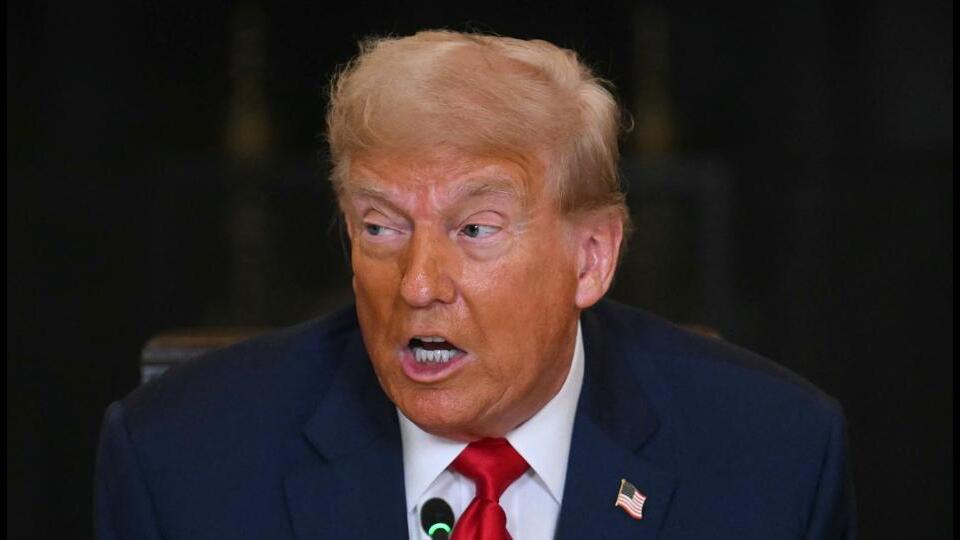
“We will be announcing something very soon on pharmaceuticals. We’re going to give people a year or a year and a half to come in and after that, they’re going to be tariffed if they have to bring the pharmaceuticals into the country…They’re going to be tariffed at a very, very high rate, like 200%,” said Trump to reporters during a cabinet meeting.
This comes after the Trump administration launched a Section 232 investigation into pharmaceuticals in April this year. A Section 232 investigation attempts to determine whether imports of particular items pose a national security threat to the United States.
The move was widely seen as laying the groundwork for placing tariffs on pharma imports, although the sector was exempted from Trump’s reciprocal tariffs announced in April. US Commerce Secretary Howard Lutnick later confirmed that the administration is considering giving pharma makers time to set up manufacturing facilities in the United States before tariffs kick in.
The US accounted for 31% of India’s global pharma exports in 2024-25, according to the Pharmaceutical Export Promotion Council of India. India’s total global pharma exports stood at over $30 billion in 2024-25.
“India supplies about 40% of generic formulations marketed in US. Indian pharma companies have manufacturing units in about 14 locations in US,” according to the Embassy of India in Washington DC.
India’s pharma industry has raised concerns about US tariffs on its exports into America and has pointed out that the such a move could worsen drug shortages in the US.
“Today, generics represent 1.2% of total U.S. healthcare costs despite covering 90% of all prescriptions in the United States. Indian pharmaceutical manufacturers help Americans with hypertension, high blood pressure, and pain every single day. But the companies manufacturing these drugs operate under razor-thin margins. If large tariffs are imposed, they will trigger substantially more drug shortages, cause greater U.S. dependence on China for life-saving medications, and delay Indian companies’ investments in America,” said Kathleen Jaeger, US spokesperson for the Indian Pharmaceutical Alliance, in April after the Trump administration announced the Section 232 investigation into pharmaceuticals
“Adding tariffs on America’s affordable medicine partners in India would make it even worse -- for patients, the healthcare system and for America’s national security,” Jaeger added at the time.
“This much tariff hike has not been formally announced by the US government yet, but if they do implement it then there will be no option for us unfortunately but to stop supplying drugs to the US market, which will adversely impact patients in the US more than the Indian manufacturers ,” said a Himachal Pradesh-based pharmaceutical manufacturer, on condition of anonymity, said after Tuesday’s statement.
According to US Commerce Secretary Howard Lutnick, studies on the pharma sector will be completed at the end of the month following which President Trump will take a decision on pharma tariffs.
Another manufacturer underlined the view that a move like this would hurt the US more than it would Indian manufacturers.
“They cannot afford to hike tariffs so much as it will only affect the US patients in the long run because we are so economic for them. If you look at the pricing of our medicines in the US market, our drugs are extremely cost-effective for them. Our assessment is that due to our drugs that cost in cents to US patients, their country manages to save as high as $200 billion US each year; the annual figure could even be more,” said the Andhra Pradesh-based pharma manufacturer, requesting anonymity.
“Who else will produce such cheap drugs for them; there is no other option globally at the moment. And for them (the US) to manufacture domestically, it will take at least 2 to 5 years, if you look at the manufacturing timelines realistically. They will have to have a more balanced approach towards this whole issue; otherwise the Indian drug manufacturers would be evaluating their options and look for alternative markets other than the US,” he added.
Managing director of Dadachanji group Rishad Dadachanji said, “A 200% tariff on pharmaceutical imports would undoubtedly disrupt global supply chains and increase healthcare costs for U.S. consumers. For India, which is a key player in the generics and APIs space, such a move could dampen export momentum in the short term. However, most of our pharma clients are resilient and already working on de-risking strategies-diversifying markets, investing in R&D, and exploring nearshoring partnerships. India’s strength lies in its quality, scale, and cost-efficiency. While the threat of tariffs is concerning, it may also serve as a catalyst for greater self-reliance, innovation, and strategic alliances beyond the U.S."
(With inputs from Rhythma Kaul in Delhi)