Over the past decade, Ramdev’s Patanjali Ayurved has grown at a breakneck speed, rapidly expanding from their mainstay of herbal products to fast food, soaps and even cosmetics. The Rs 5,000-crore behemoth that employs 15, 000 people has left many established players behind as it targets foreign markets and new regions.
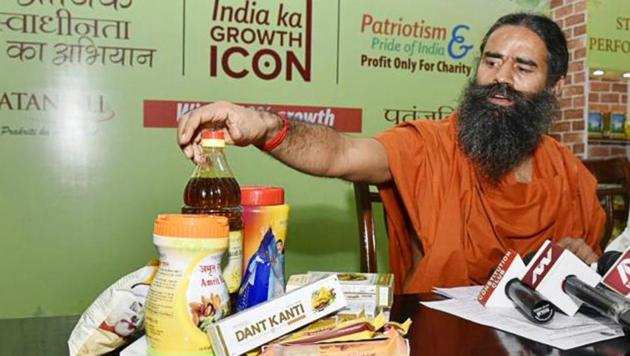
But in recent weeks, Patanjali has run into a storm as several of its products have failed quality tests and have been pulled from shelves. Here’s a look at the crisis that Patanjali is facing:
1.Nepal asks Patanjali to recall products: In a public notice in June, Nepal’s department of drug administration said six Patanjali medical products had failed microbial tests and found to be substandard during inspections at various outlets and tests on specimens.
2.Products of substandard quality: Two Patanjali products -- Divya Amla Juice and Shivlingi Beej – were found to be of substandard quality by Haridwar’s Ayurveda and Unani Office, a Right to Information (RTI) reply revealed in May.
3.Army removes Amla juice: The Canteen Stores Department (CSD), the retailing entity selling consumer goods to the armed forces, suspended the sale of a batch of Patanjali Ayurved’s amla juice in April after it failed to clear a laboratory test.
{{/usCountry}}3.Army removes Amla juice: The Canteen Stores Department (CSD), the retailing entity selling consumer goods to the armed forces, suspended the sale of a batch of Patanjali Ayurved’s amla juice in April after it failed to clear a laboratory test.
{{/usCountry}}4.Adverse reviews: Many Patanjali products started receiving “adverse feedback” from consumers and retailers in March.
5.Misbranding: Last year, a local court in Haridwar fined Patanjali Rs 11 lakh for “misbranding and putting up misleading advertisements” of their products.
6.Violating safety norms: Patanjali Ayurved was served notice by the government for violating food safety norms in manufacturing atta noodles two years ago. This followed reports that the atta noodles had failed food safety regulator norms.