
 E-Paper



Finally, truce in Haryana gurdwara panel; Jhinda to continue as chief
The truce will remain in place till July 14, the day the Supreme Court is expected to deliver its verdict on formation of HSGMC which was challenged by Shiromani Gurdwara Parbhandhak Committee


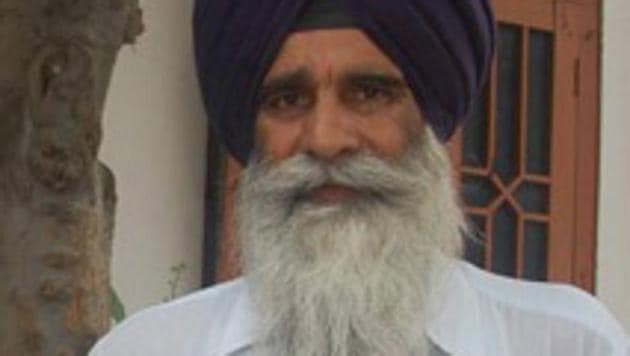
The faction-ridden 41-member Haryana Sikh Gurdwara Management Committee (HSGMC, ad-hoc) on Sunday buried differences over controlling five Sikh shrines and reappointed Jagdish Singh Jhinda as its chief—a move engineered by radical Sikh preacher Baljit Singh Daduwal.
This truce will remain in place till July 14, the day the Supreme Court is expected to deliver a verdict on the formation of HSGMC, which was challenged by the Shiromani Gurdwara Prabhandhak Committee (SGPC).
Sunday’s meeting in Kaithal that lasted for over five hours was held in the backdrop of the appointment of Didar Singh Nalvi’s as the president by a 28-member of HSGMC executive committee on April 9 after removing Jhinda from the post. Nalvi had to prove the majority on Sunday.
The Jhinda-led faction had dismissed Nalvi’s appointment, calling it unconstitutional. In the run-up to Sunday’s meeting, both Jhinda and Nalvi factions were claiming to have the majority support required to control the Sikh body in the state.
Before the meeting began, the 32 members, including Nalvi, who were present unanimously authorised Daduwal—also a member of the HSGMC—to take the final decision. The move assumes significance as Daduwal is a parallel head priest of the Takht Damdama Sahib, the post he got during the November 2015 Sarbat Khalsa (Sikh congregation) in Amritsar spearheaded by radicals in the wake of statewide protests in Punjab over the spate of sacrilege incidents of Guru Granth Sahib.
“The meeting was summoned to elect the committee. The presence of 32-members in Sunday’s meeting was the largest ever. All the rights were given to me to decide the matter. And Jhinda was re-appointed as president unanimously,” Daduwal told Hindustan Times over phone, adding that Jhinda also offered to resign on July 14 when the Apex Court ruling will be pronounced.
On the other hand, Jhinda said the meeting was summoned to clear the confusion created by his decision to appear before the Akal Takht, the supreme temporal seat of the Sikhs in Amritsar.
After being excommunicated by the Akal Takht in 2014, Jhinda on April 4 had appeared before the Akal Takht and tendered an apology for not complying with the summons issued against him by the Takht for demanding formation of the HSGMC.
Jhinda said he explained in detail the reasons behind appearing before the Akal Takht where he was slapped a religious punishment.
“The house unanimously appointed me as chief,” he said.
The ousted HSGMC chief Nalvi told HT that “in the interest of the HSGMC” it was decided to “maintain a status quo” till July 14 verdict. “All members agreed that there should be no change of guard so that we can fight the case unitedly in the Supreme Court. But the president and general secretary of the body will resign on July 14 irrespective of the Apex Court ruling to pave a way for electing the new body,” Nalvi said.
What the tussle is about
The formation of the HSGMC in 2014 had triggered a major dispute between Punjab and Haryana with the then chief minister Parkash Singh Badal declaring to “fight-to-finish” against contentious legislation of then Congress government in Haryana to control Sikh shrines.
The emotive religious-political tussle had unfolded after Haryana in a hurried move formed a separate panel for management of Sikh shrines in the state. The move was seen as an attempt to dislodge the Shiromani Gurdwara Parbandhak Committee (SGPC).
While the Akali Dal had sounded the bugle for an agitation against the formation of the HSGMC, the SGPC had vowed to fight “a decisive battle” for the repeal of the controversial law enacted by the Haryana government.
-kMNB-U1021018938041uE-250x250%40HT-Web.jpg)


