
 E-Paper



Govt to clear $2 billion deal for Israeli-made AWACS amid stand-off with China
Work has begun to build a road over the glaciated Saser La to link up Daulat Beg Oldie with Sansoma and acquire 200 tactical drones for the army’s battalion commanders

 Prefer HTon Google


Spurred by the stand-off with People’s Liberation Army in Ladakh, the Narendra Modi government is all set to clear acquisition of two PHALCON airborne warning and control systems (AWACS) as early as next week. India has three PHALCON AWACS with a 360 degree rotodome mounted on top of the aircraft and two DRDO-built AWACS with 240 degree rotodome. China has 28 AWACS and Pakistan has seven for directing the air battle in the worst case scenario.
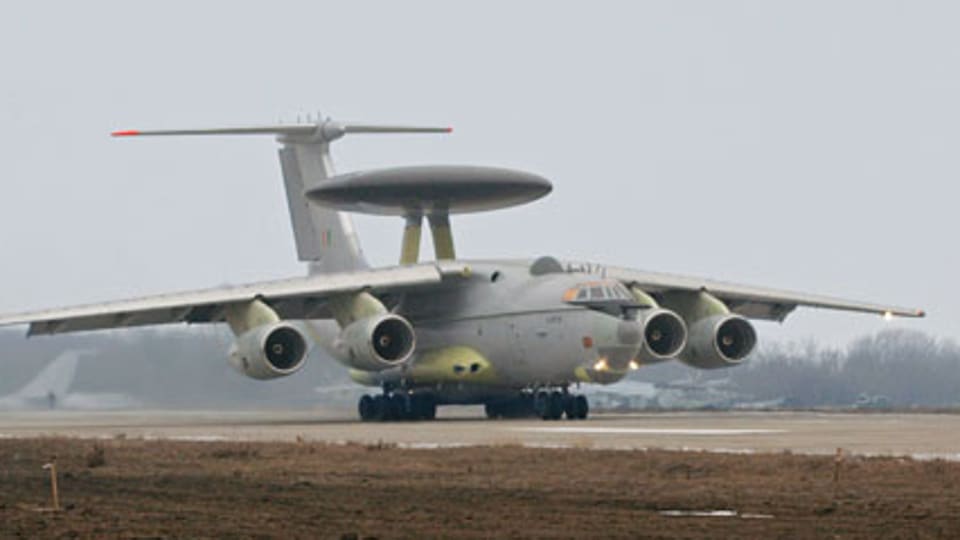
While the government is tight-lipped about the entire process, the acquisition was given a final official go last week and has been put up before the Cabinet Committee on Security (CCS). This is the second time it has reached the CCS. The last time, the CCS sent the proposal back to National Security Adviser Ajit Doval and sought some clarifications.
The PHALCON radar is going to cost about $1 billion with another $1 billion going towards the purchase of the platform, in this case Russian A-50 aircraft. The radar and the platform will be integrated in Israel. It will take about two to three years for the delivery of the complete system.
Also Watch | ‘Precious friend India’: Israel-UP govt sign deal for ‘flagship’ water project
The need for more AWACS was first felt during the Pakistani aerial dogfight after the February 26 Balakot strike by the Indian Air Force. While Pakistan was flying two Swedish made AWACS round the clock to detect and repel any intrusion into its air space, the IAF was, at times vulnerable due to the limitation of its resources. The requirement for more AWACS or eyes in the sky were felt after the PLA unilateral aggression in East Ladakh and their reluctance to restore status quo ante even after the Special Representatives on both sides agreed to both dis-engagement and de-escalation.
Apart from this the Modi government has decided to push road connectivity towards the Daulat Beg Oldie sector with the Border Roads Organization asking permission of the Ministry of Home Affairs to cut a road over the glaciated Saser La to link up DBO with Sansoma via Murgo as an alternative to the Darbuk-Shyok-DBO road.
The BRO has already built the road from Murgo to Saser Brangsa, which sits on the mouth of the Saser La. Even though Saser La is a glaciated moraine, the BRO has the ability to build a road over it for the present and a tunnel under the permafrost in the future. Once the road is built, it will allow Indian Army to rapidly move troops from the Siachen sector into Sub-Sector North depending on the requirement. Sansoma, on the banks of Nubra River is an important logistics base for the Siachen Glacier troop deployments.
Apart from the high-value AWACS, the Indian Army is also acquiring 200 tactical drones for its battalion commanders so that the immediate battle theatre is transparent. This drones has been developed locally in collaboration with the DRDO and has undergone trials.


