With the monsoon underway in several parts of the country, the India Meteorological Department continues to issue colour-coded alerts for various regions. A red alert was issued in Odisha, Chhattisgarh, and Madhya Pradesh on Wednesday whereas an orange alert was issued in Uttar Pradesh, Uttarakhand, and Himachal Pradesh for the next few days. “Some Record-breaking rainfall over Himachal Pradesh, Haryana and Chandigarh during 8-12 July 2023,” the IMD posted on its official handle on X (formerly known as Twitter).
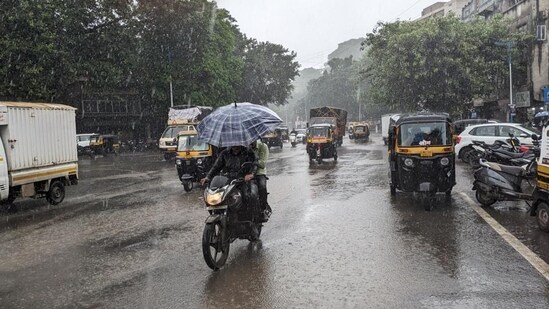
Sounding the alert for Odisha the IMD said, "Prepare for Intense Rainfall! On 2nd August, #Odisha is expected to receive Heavy to Very Heavy rainfall, with the possibility of Extremely Heavy downpour exceeding 204.4 mm. Stay safe!"
READ | Lucknow to have a rainy weekend; intense rain spell likely in Bundelkhand: Met
The Odisha government on Wednesday announced that all schools and Anganwadis in 12 of the 30 districts will remain closed. The state will continue to witness heavy rainfall in the next 48 hours.
Meanwhile, the Meteorological Department warned of localised flooding in Madhya Pradesh on Thursday due to heavy rainfall. The IMD posted on its official handle on X, "Red Alert for Madhya Pradesh, saying that the state is likely to get Heavy to Very Heavy with Extremely heavy rainfall on 3rd August with East Madhya Pradesh likely to get Extremely heavy rainfall on 2nd August as well."
The IMD also sounded an alert for Chhattisgarh. “Prepare for Intense Rainfall! On 2nd August, #Chhattisgarh is expected to receive Heavy to Very Heavy rainfall, with the possibility of Extremely Heavy downpour exceeding 204.4 mm. Stay safe!" the IMD posted.
{{/usCountry}}The IMD also sounded an alert for Chhattisgarh. “Prepare for Intense Rainfall! On 2nd August, #Chhattisgarh is expected to receive Heavy to Very Heavy rainfall, with the possibility of Extremely Heavy downpour exceeding 204.4 mm. Stay safe!" the IMD posted.
{{/usCountry}}According to a senior weather department official, India is expected to experience below-average rainfall in August. This weather pattern is attributed to the El Nino phenomenon.
However, in July, the country experienced an above-average monsoon, which proved beneficial for farmers as it allowed them to speed up their crop planting activities. The potential impact of below-average rainfall in August raises concerns for agriculture and water resources in the region.