
 E-Paper



How India used unmanned dummy aircraft to fool Pakistan during Operation Sindoor
Indian Air Force used dummy aircrafts disguised as fighter jets to bait and disable Pakistan's Chinese-supplied air defence systems during Operation Sindoor.

 Prefer HTon Google


Operation Sindoor, India's coordinated military retaliation following the deadly Pahalgam terror attack on April 22, delivered a strong message against terrorism by striking nine terror targets in Pakistan and Pakistan-occupied Kashmir. But it wasn’t just the Indian Armed Forces' firepower that caught the Pakistan military off guard, it was the well-planned deception.
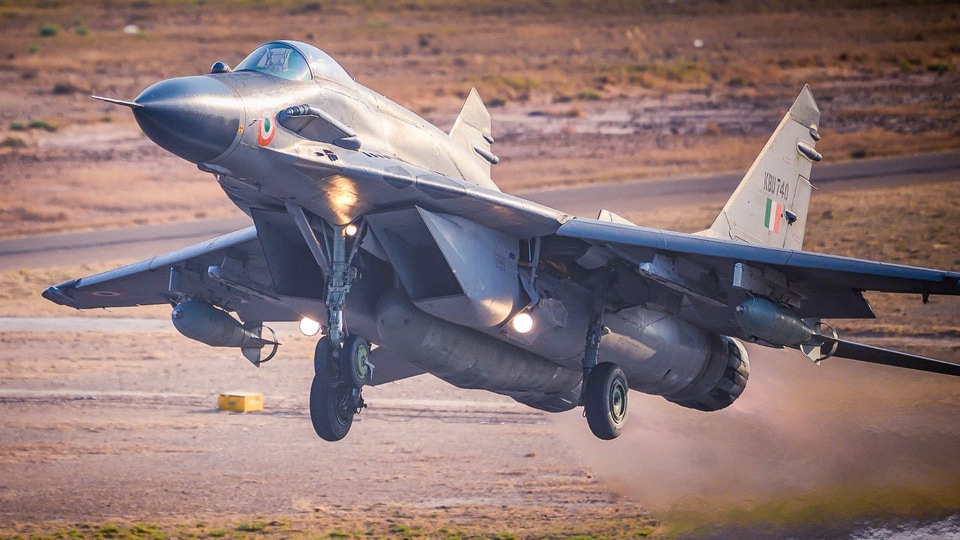
According to an ANI report, which cites highly placed defence sources, the Indian Air Force (IAF) used dummy aircraft disguised as fighter jets to bait and disable Pakistan's Chinese-supplied air defence systems during Operation Sindoor.
On the night of May 9–10, India struck 11 out of 12 key Pakistani air bases. However, before launching its wave of missile attacks, the IAF first sent in unmanned target aircraft camouflaged to mimic real fighter aircraft.
Also Read | What sets Operation Sindoor apart from past strikes on Pak-backed terrorism? Army veterans answer
This led to Pakistani radars scrambling to knock down what they believed were India's incoming fighter jets, resulting in the activation of their HQ-9 missile systems, revealing their locations and exposing them to attack.
The Pakistan Air Force mobilised its entire set of HQ-9 air defence missile system launchers and radars to different locations, and some of them were deployed at new locations but were detected after being activated, ANI reported.
The Indian Air Force then followed up with the long-range missile attacks on the Pakistani air bases, which included the BrahMos and Scalp missiles. Around 15 BrahMos missiles and Scalp, Rampage and Crystal Maze missiles were launched in the offensive.
These strikes disabled airstrips, hangars, and communication infrastructure across Pakistan’s air force network, reportedly damaging an airborne early warning aircraft and several long-endurance drones in Sindh.
According to defence sources, this is the first known operational use of the BrahMos missile system in active conflict.
Sources told ANI that the strikes on its air bases were so intense that the Pakistani side dropped all plans for a counter to the capitulation of their air defence system and urgently requested DGMO talks to arrive at an 'understanding' with India to put a pause to all military action going forward.
Operation Sindoor: Key details
The aircraft packages for the missions were controlled mainly from the Western Air Command and the Southwestern Air Command area of responsibility.
The aerial attacks launched by the Pakistani Air Force using land attack ballistic missiles, air-launched cruise missiles, and unmanned combat aircraft were mainly thwarted by the combination of the Russian S-400, MRSAM, and Akash air defence missile units, along with other old systems.
India-Pakistan ceasefire understanding
Both India and Pakistan last week announced an immediate ceasefire of all hostilities across land, air, and sea.
India Pakistan news live: Congress picks 4 MPs to join India’s anti-terror diplomatic mission
However, just hours after the ceasefire understanding, a series of drone sightings and explosions rocked Jammu and Kashmir, triggering air defence responses by Indian security forces to neutralise the aerial threats.


