E-Paper



In Covid-19 front line, doctors welcome ordinance to protect them
A section of the ordinance states that its promulgation will not only deter criminal elements in society but also give confidence to healthcare workers who were becoming jittery because of attacks.

 Prefer HTon Google


Doctors have welcomed the government’s decision to bring an ordinance to protect the medical fraternity against the violence it has faced since the start of the Covid-19 pandemic and to punish wrong-doers.
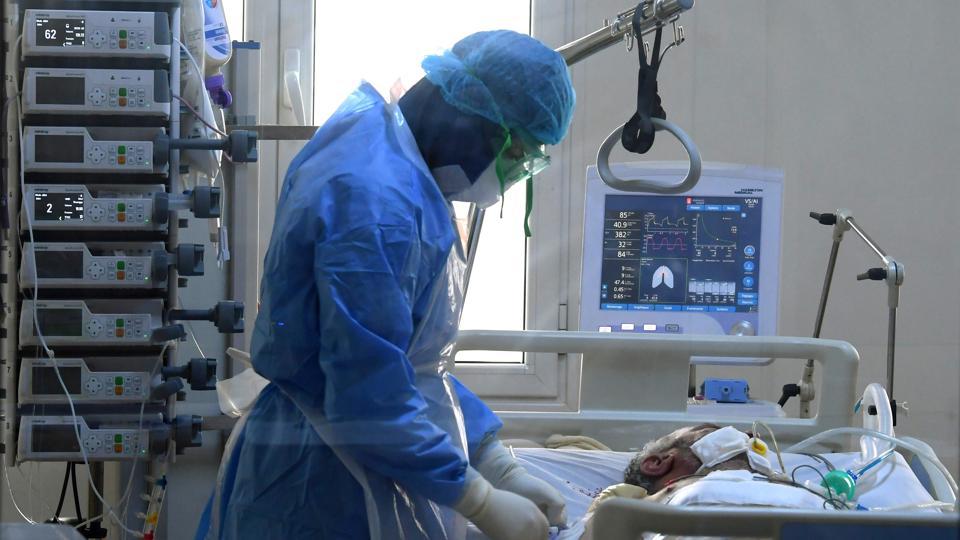
“This was the need of the hour as instances of violence against healthcare workers, including doctors, were on the rise. Not everyone was unruly but a section of people was misbehaving and it needed a regulation to rein it in as this section would not have listened to reason,” said DS Rana, chairman of the board of governors of Sir Ganga Ram Hospital.
“There was no other way to check their irresponsible behaviour. Healthcare workers are putting their lives at risk in treating patients, and harassment and violence against them is the last thing they want in this crisis situation.”
Coronavirus outbreak: Full coverage
A section of the ordinance states that its promulgation will not only deter criminal elements in society but also give confidence to healthcare workers who were becoming jittery because of attacks.
On Sunday, the burial of Samuel Hercules, a doctor in Chennai, was disrupted by violent protesters who damaged the ambulance carrying his body and injured its driver out of fear of the spread of the coronavirus. On April 8, two resident doctors of Delhi’s Safdarjung Hospital were allegedly assaulted by a neighbour who accused them of “spreading” the disease. A week before that, two doctors and their team were pelted with stones during a drive to screen and identify possible Covid-19 patients in Madhya Pradesh’s Indore.
Shankar Narang, chief operating officer of Paras Healthcare, said: “Healthcare workers are frontline warriors in this battle, and along with other corona-fighters such as sanitation workers and police officials, they are the backbone of our crisis response in this hour.
“They are already facing a high risk of infection as they venture into infected areas. It is absolutely essential, therefore, to ensure their safety and security and allow them to do their job with a sense of confidence.”
Resident doctors – who get manhandled in hospital emergencies by attendants of patients – across the country have for long been demanding a central law to protect medical staff against violence.
Amarinder Singh, former president of the resident doctors association at All India Institute of Medical Sciences in Delhi, said: “We have been pressing for a central protection law to be enacted since June last year, when there was violence against doctors in West Bengal. It has been a long-standing demand of doctors, especially resident doctors, who are most vulnerable being the first point of contact.
“It is a great move but it seems to be a temporary provision till the pandemic situation lasts. What we would like is that the government makes it permanent, to be implemented long after the outbreak subsides.”