India will mark its 80th Independence Day on August 15, 2026 (Saturday), commemorating the country's freedom from British rule and remembering the sacrifices of the freedom fighters who fought for a free nation.
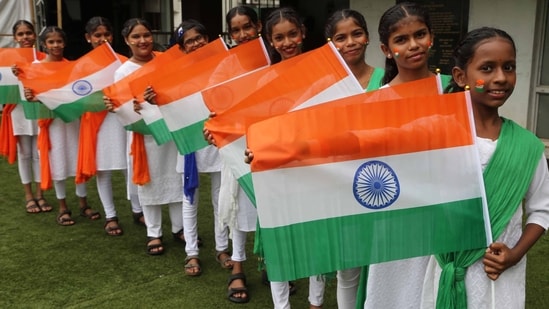
As Independence Day approaches, the Indian national flag will be seen fluttering high across the country. But once the celebrations end, questions often arise about how the flags should be kept.
The Flag Code of India sets out guidelines for displaying and handling the national flag.
How to keep the flag properly
Deep Dive
What is the correct method to store the Indian national flag after Independence Day?
How should the flag be displayed during the day and night according to the Flag Code?
What should be done if the Indian flag becomes damaged or soiled?
Citizens can keep the tricolour even after Independence Day. However, it must be kept and handled in accordance with the Flag Code of India so that the national flag is treated with due respect.
It should not be used like ordinary disposable decorations or kept in a condition that causes it to become torn or damaged.
The Flag Code covers several aspects of handling the tricolour, including how it should be displayed and stored. Knowing these rules can help avoid mistakes while preserving the flag.
How to handle the tricolour
{{/usCountry}}The Flag Code covers several aspects of handling the tricolour, including how it should be displayed and stored. Knowing these rules can help avoid mistakes while preserving the flag.
How to handle the tricolour
{{/usCountry}}When the national flag is displayed, it should be given a place of honour and shown prominently, and it must never be displayed if it is damaged or in a dishevelled condition.
There is also no provision prohibiting citizens from keeping the flag after August 15. Citizens can display the national flag on all days and occasions, provided its dignity is maintained as required under the Flag Code.
Following amendments to the code, the flag can be displayed during both day and night. When flown at night, however, it should be properly illuminated.
How to fold the flag
While the Flag Code provides instructions on the use and handling of the national flag, it does not provide a detailed method for folding it at home. It should nevertheless be handled with care and must not be crumpled or damaged.
The Union ministry of culture had shared the flag-folding method in a social media post last year. These are the steps to fold and preserve the tricolour respectfully:
- Place the flag horizontally.
- Fold the white band so that the Ashoka Chakra remains visible, along with parts of the saffron and green bands.
- Bring the saffron and green bands underneath the middle white band.
- Use your palms or arms to carry the folded flag before placing it in storage.
How and where to keep the national flag
The Flag Code states that the tricolour “shall not be used or stored in such a manner as may damage or soil it”.
It also states that the flag “shall not be allowed to touch the ground or the floor or trail in water”.
Keep it in a clean, dry location, away from moisture, dirt, and objects that could damage, tear, or stain the fabric.
What to do if the flag is soiled
The Flag Code states that “when the Flag is in a damaged or soiled condition, it shall not be cast aside or disrespectfully disposed of”.
It “shall be destroyed as a whole in private, preferably by burning or by any other method consistent with the dignity of the Flag,” as per the Flag Code.
What to do with the small paper flags
The Flag Code allows the public to wave paper flags during important national, cultural and sports events.
Paper flags should also not be placed on the ground, left on roads or thrown into drains.
“As far as possible, it should be disposed of in private consistent with the dignity of the Flag,” the Flag Code states.