
 E-Paper



India-China expand border talks, to revisit patrolling protocol to avoid skirmishes
While the short-term solution of disengagement and de-escalation is a work in progress, keeping in mind the friction at patrolling point 17 (Gogra) and Pangong Tso fingers, diplomats on both sides are looking for a long-term solution that will keep their soldiers apart.

 Prefer HTon Google


Although military commanders are negotiating disengagement of the Indian Army and the Chinese People’s Liberation Army (PLA) along the 1,597 km Line of Actual Control (LAC) in eastern Ladakh, diplomats from both countries are considering the option of putting patrolling protocols in place to avoid a repeat of the June 15 Galwan Valley flare-up.
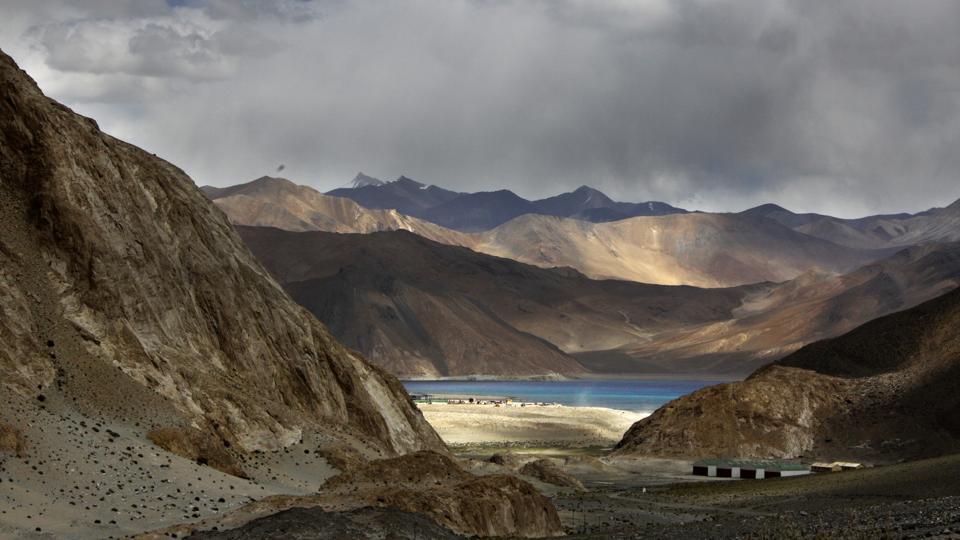
According to South Block, with the PLA building roads, laying fibre optic cables and setting up posts powered by solar panels up to the friction points along the LAC in Ladakh and the Indian army matching the effort, it is only a matter of time before the two armies face off again while patrolling their perceived border line.
Also read: China pulls back troops in Galwan Valley by at least a km: Official
“The first step is total disengagement, then de-escalation with minimum troops being kept by both sides as per 1993-1996 bilateral agreements and then some working mechanism where the patrolling parties of two sides do not clash ,” said a senior official, requesting anonymity.
While the short-term solution of disengagement and de-escalation is a work in progress, keeping in mind the friction at patrolling point 17 (Gogra) and Pangong Tso fingers, diplomats on both sides are looking for a long-term solution that will keep their soldiers apart.
“The long-term solution can only be found if India and China exchange maps indicating presence of troops along the LAC and then introduce patrolling protocols. Earlier, both Indian Army and PLA would undertake patrols to their perceived LAC once a month with both sides avoiding face-offs. Today with India and China both building border infrastructure right up to perceived LAC, the patrolling intensity has not only increased but also the friction with the opposing force,” said a second senior official.
Also read: India, China to hold commander-level talks today, disengagement in finger area key focus
Weeks of tensions along the LAC in eastern Ladakh flared into a violent brawl in Galwan Valley on June 15 that left 20 Indian soldiers and an unspecified number of Chinese dead.
The last attempt to exchange western sector maps in 2002 was unsuccessful with China pulling out at the last moment.
While the national security establishment and the Indian Army don’t trust the PLA and feel that the Chinese border infrastructure allows for rapid deployment as compared to India’s, diplomats say that neither India nor China should object to upgrading border infrastructure as long as it is within their LAC limits and does not encroach on the other’s perception of where the border lies.
“As long as the two sides keep away from each other’s perception of LAC, which is very well known to the ground troops, the situation can be controlled. Just as we can’t stop China from upgrading its border infrastructure, the same holds true for China too,” said another government official.
While the PLA has shown some signs of thinning out troops from the depth areas in occupied Aksai Chin, the Indian Army and the PLA, for once, are not facing each other at all friction points.


