E-Paper



Hostile India, Pakistan swap lists of nuclear installations, prisoners in 35th such instance
The exchange maintained a tradition going back to 1992 despite ties between the two neighbours being at an all-time low.

 Prefer HTon Google


India and Pakistan on Thursday exchanged lists of nuclear installations that cannot be attacked in the event of hostilities and lists of prisoners in each other’s custody, against the backdrop of unprecedented strains in bilateral ties after a brief but intense conflict last May.
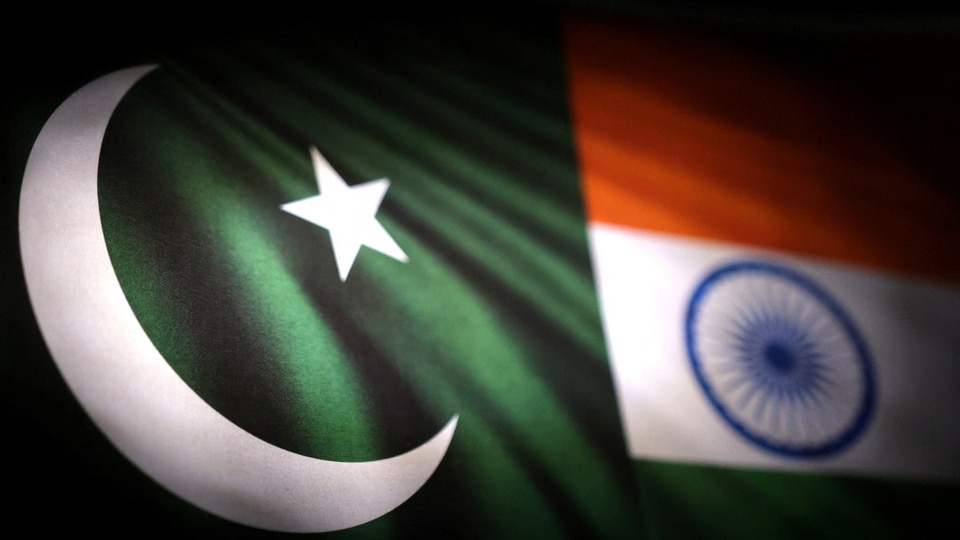
The lists were exchanged a day after external affairs minister S Jaishankar briefly interacted with Pakistan’s National Assembly Speaker Ayaz Sadiq in Dhaka, where they were representing their countries at the funeral of former Bangladesh premier Khaleda Zia. This was the first engagement between senior officials of the two sides since last year’s four-day conflict triggered by India’s military strikes on terrorist infrastructure in Pakistan.
India and Pakistan exchanged the list of facilities covered under the Agreement on the Prohibition of Attack against Nuclear Installations and Facilities through diplomatic channels in New Delhi and Islamabad simultaneously, the external affairs ministry said.
The exchange maintained a tradition going back to 1992 despite ties between the two neighbours being at an all-time low.
Under the agreement, which was signed in December 1988 and entered into force in January 1991, India and Pakistan inform each other of nuclear installations and facilities to be covered under the pact on January 1 every year. This was the 35th consecutive exchange, though both sides don’t make the lists public.
India and Pakistan also exchanged, through diplomatic channels in New Delhi and Islamabad, lists of civilian prisoners and fishermen in each other’s custody under provisions of the Agreement on Consular Access of 2008.
India shared details of 391 civilian prisoners and 33 fishermen in its custody, who are Pakistani or believed-to-be-Pakistani, the external affairs ministry said. Pakistan shared lists with details of 58 civilian prisoners and 199 fishermen in its custody, who are Indian or believed-to-be-Indian.
The Indian side called for the early release and repatriation of civilian prisoners, fishermen along with their boats, and missing Indian defence personnel from Pakistan's custody. Pakistan was also urged to expedite the release and repatriation of 167 Indian fishermen and civilian prisoners who have completed their sentences, the ministry said.
The Indian side also asked Pakistan to provide immediate consular access to 35 civilian prisoners and fishermen in Pakistan's custody “who are believed-to-be-Indian and have not been provided consular access so far”, the ministry said. It also asked the Pakistan government to ensure the safety, security and welfare of all Indian and believed-to-be-Indian prisoners and fishermen.
The ministry said that as a result of sustained efforts by the Indian government, 2,661 fishermen and 71 civilian prisoners had been repatriated from Pakistan since 2014. This includes 500 fishermen and 13 civilian prisoners repatriated since 2023.
India and Pakistan have not had any sustained talks since New Delhi called off the composite dialogue in the aftermath of the 2008 Mumbai attacks, which were carried out by the Pakistan-based Lashkar-e-Taiba (LeT) and killed 166 people.
The political leadership on both sides have attempted to resume contacts, though these efforts were derailed by a string of terror attacks blamed on Pakistan-based groups, and India responded to the Pahalgam terror attack last year with several punitive economic and diplomatic measures, including the suspension of the Indus Waters Treaty of 1960.