
 E-Paper



Facilitate continued presence of Indian journalists: India tells China
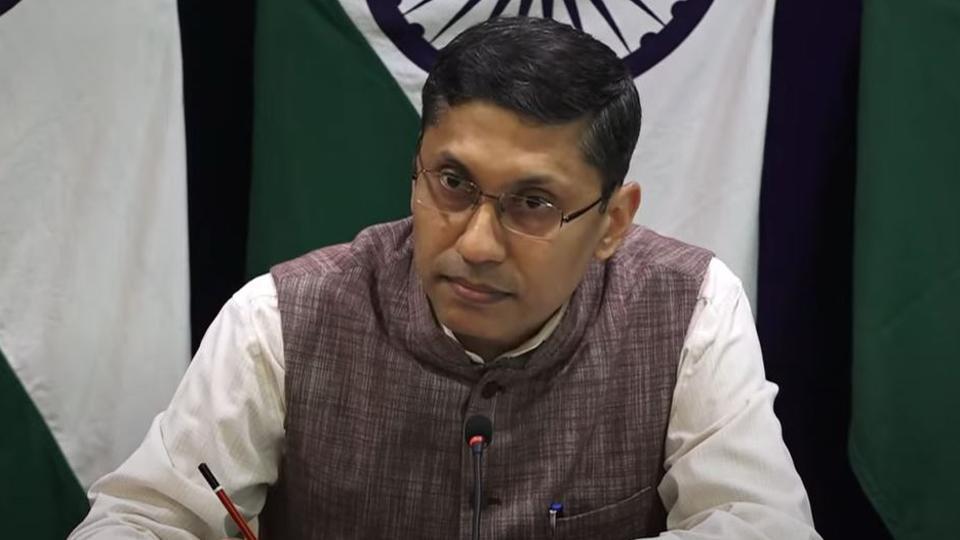
External affairs ministry spokesperson Arindam Bagchi said India and China are in touch to try and resolve the matter

 Prefer HTon Google


NEW DELHI: India on Friday urged China to facilitate the continued presence of Indian journalists working in the country against the backdrop of a sharp downturn in bilateral ties that has had implications for the posting of foreign correspondents.
The Chinese foreign ministry said on Wednesday the number of Chinese journalists in India was “about to drop to zero”, and that certain measures had been taken against Indian journalists because their Chinese counterparts “suffered unfair and discriminatory treatment in India”.
Asked about the matter at a weekly news briefing, external affairs ministry spokesperson Arindam Bagchi said both sides were in touch to try and resolve the matter.
“We hope that Chinese authorities facilitate the continued presence of Indian journalists working and reporting from China. The two sides continue to remain in touch regarding this issue,” he said.
Bagchi said all foreign reporters, including those from China, have been pursuing journalistic activities in India “without any limitations or difficulties in reporting or doing media coverage”.
On the other hand, he said Indian journalists in China “have been operating with certain difficulties, such as not being permitted to hire locals as correspondents or journalists”. They also face several restrictions while getting access and travelling within China, he said.
“As you know, foreign media can and do freely hire local journalists to work for their bureaus in India,” Bagchi said.
The Indian side supports and facilitates foreign journalists but at the same time, “there should be no deviations from normal journalistic behaviour and activities, or from the provisions governing journalist visas”, he added.
This was an apparent reference to Chinese correspondents, who are all from the state-run media, reportedly indulging in non-journalistic activities. Indian security agencies have brought up such charges against some Chinese journalists whose visas were not renewed or were sent back, people familiar with the matter said.
In April, China barred the return of two Indian journalists posted in Beijing while they were in India for private visits. Chinese foreign ministry spokesperson Mao Ning told a news briefing in Beijing on Wednesday that the Indian side had not renewed the visa of the “last Chinese journalist in the country”.
Mao added: “The number of Chinese journalists stationed in India is about to drop to zero. Considering this, the Chinese side has no choice but to take appropriate counter-measures to safeguard the legitimate rights and interests of Chinese media organisations.”
A dragging military standoff on the Line of Actual Control (LAC) has taken India-China ties to their lowest point in 60 years and affected most aspects of the relationship.


