E-Paper



Iran conflict risks oil surge, rupee pressure
A prolonged conflict could severely impact global energy supplies, particularly affecting India, the world’s third-largest oil consumer after the US and China

 Prefer HTon Google


A US-Israel joint strike on Iran and the subsequent Iranian retaliation threaten to disrupt the movement of goods through the Strait of Hormuz, potentially triggering a spike in international crude oil prices and the depreciation of the rupee against the dollar, experts said.
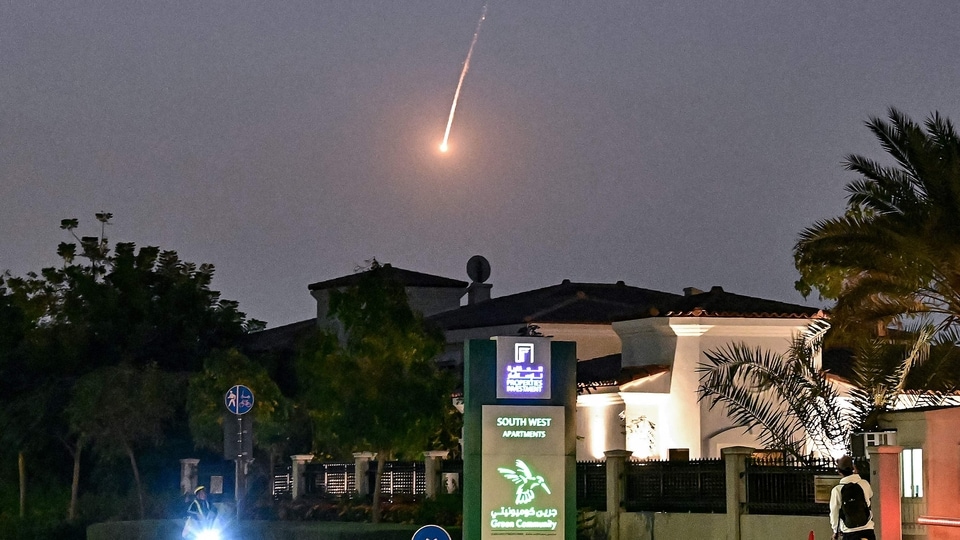
A prolonged conflict could severely impact global energy supplies, particularly affecting India, the world’s third-largest oil consumer after the US and China, these people said, some requesting anonymity. Under US pressure, India has already curtailed its purchase of Russian crude oil.
The conflict is expected to disrupt supplies from the Gulf region and lead to a significant jump in insurance premiums. This places India in a tight spot due to a possible surge in oil prices from a supply crunch, they said. With Russian oil output already dropping because of US sanctions, the conflict may also disrupt the 3 million barrels per day of Iranian crude supplied to various countries, including China.
“Supply may tighten if the conflict escalates and is prolonged, which may see a jump in India’s crude oil import cost. Besides Russian curbs, harsh winter demand also saw the US withdrawing oil from its strategic reserve. So, supply could get impacted. Means pricing pressure on India,” said SC Sharma, an energy expert and former officer on special duty at the erstwhile Planning Commission.
India’s average crude oil purchase price already saw over 10% jump to $70.86 a dollar on Thursday because of geopolitical upheavals from $64.2 a barrel a month ago. If the tensions continue, price may escalate further.
Iran has repeatedly threatened to weaponise the Strait of Hormuz, though full closures have never materialised. Tehran’s restraint has stemmed from economic self-interest: it relies on the waterway to ship crude to China, its strategic backer. But as recently as January 2026, it renewed closure threats and briefly shut part of the strait during drills. This four-decade pattern of escalation and restraint now faces its ultimate test.
Another expert said more will be clearer as the situation evolves. Ajay Sahai, director general and CEO of the Federation of Indian Export Organisations (FIEO), said: “It is too early to comment on the impact of the conflict on trade. But, prolonged conflict may see escalation in freight charges, insurance costs and rise on dollar demand, which would lead to further depreciation of the rupee against dollar.”
Exporters fear an escalation in the Gulf region may choke shipping routes, forcing supplies to take a longer route through the Cape of Good Hope, which would see a jump in transportation costs.
“All costs could not be passed to the consumer. Hence, a large share of the burden would be borne by the traders,” one exporter said, asking not to be named.
Prashant Vasisht, senior vice president and co-group head for corporate ratings at ICRA Ltd, said: “The conflict in Middle East and reported attacks on several oil producers would exacerbate the volatility in crude oil prices.”
“The Strait of Hormuz is a vital energy choke point through which about 20% of the global petroleum liquid and 20% of the global liquified natural gas passes. As Iran and Middle East energy producers straddle the Strait of Hormuz, a conflict in the region would impede shipping of energy through the same,” he said.
Due to global geopolitical tensions, crude oil prices have already risen from over $65 per barrel to $72-73 per barrel, he said.
“A prolonged and/or widening conflict involving several oil and gas producers and Strait of Hormuz could adversely impact global crude oil and LNG supplies and raise prices of energy globally,” Vasisht said.
In fiscal 2025, about 50% of India’s crude oil and 54% of liquefied natural gas (LNG) imports were routed through the Strait of Hormuz. For Indian refiners, while crude oil could be sourced from alternate locations such as the US, Africa and South America, elevated energy prices could lead to a soaring import bill, he said.
“Additionally elevated crude oil prices would moderate the marketing margins and profitability of oil marketing companies,” he said.