
 E-Paper



NISAR satellite, riding on a GSLV satellite, lifts off from Sriharikota
NISAR, which stands for NASA-ISRO Synthetic Aperture Radar, will scan the Earth and provide high-resolution day and night data on all weather across the Earth.

 Prefer HTon Google


Indian Space Research Organisation (ISRO) launched the NISAR satellite on Wednesday, July 30. The satellite, which also marks the first joint satellite of ISRO and NASA, was launched from the Satish Dhawan Space Centre in Sriharikota, Andhra Pradesh.
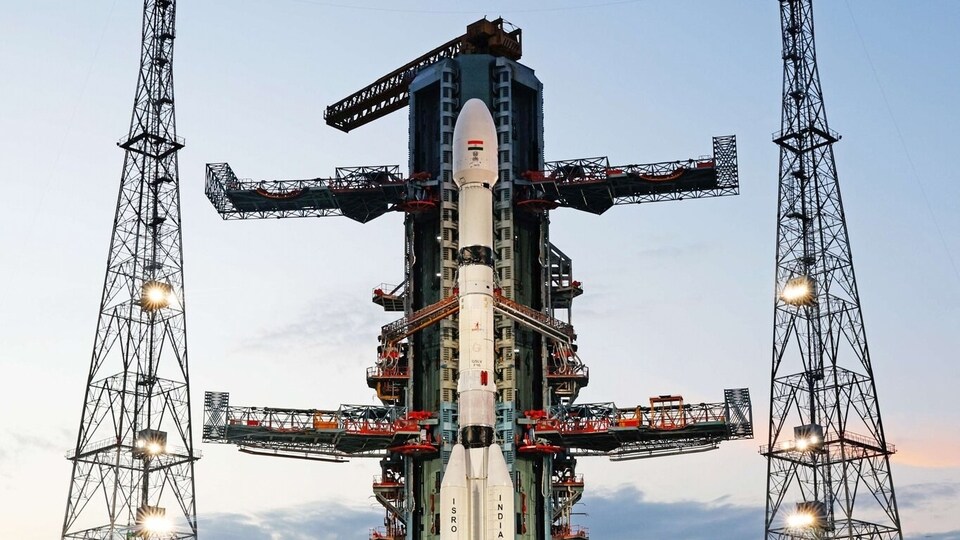
The satellite was launched using the GSLV-F16 rocket. The rocket was scheduled to inject the NISAR satellite into a 743-km sun-synchronous orbit 19 minutes 19 minutes after its its lift-off.
As per Union Minister for Science and Technology Jitendra Singh, the event marks a defining moment in the journey of Indo-US space cooperation and ISRO's international collaborations.
"It will allow continuous monitoring of ecosystem disturbances and help assess natural hazards such as earthquakes, tsunamis, volcanic eruptions, and landslides. It will track even subtle changes in the Earth's crust and surface movement. Importantly, the satellite's data will also be used for sea ice classification, ship detection, shoreline monitoring, storm tracking, crop mapping, and changes in soil moisture--all of which are vital for governments, researchers, and disaster management agencies," he told reporters ahead of the launch.
About NISAR satellite and mission
NISAR, which stands for NASA-ISRO Synthetic Aperture Radar, will scan the Earth and provide high-resolution day and night data on all weather across the Earth. The aim behind this satellite is to enable scientists to monitor critical environmental changes.
The satellite will also be able to detect even small changes in the Earth’s surface such as ground deformation, ice sheet movement and vegetation dynamics. ISRO added that NISAR will also help in sea ice classification, ship detection, shoreline monitoring, storm characterization, changes in soil moisture, mapping & monitoring of surface water resources and disaster response.
The NISAR launch also marked ISRO's 102nd mission from Sriharikota and its first GSLV launch dedicated to a radar-based Earth observation satellite.
As per ISRO, NISAR weighs around 2,393 kgs and is the first satellite to observe the earth with a "dual frequency Synthetic Aperture Radar (NASA’s L-band and ISRO’s S-band) both using NASA’s 12m unfurlable mesh reflector antenna, integrated to ISRO’s modified I3K satellite bus."


