
 E-Paper



Meet the tribal Halbi rappers of Chhattisgarh’s Maoist-hit Bastar
Halbi, also known as Bastari, is an Eastern Indo-Aryan language and is spoken by tribes across the central part of India.

 Prefer HTon Google


The Halbi rap song “Ram Ram Sadu” is a new sensation in Maoist-affected Bastar with around 2.5 lakh hits on YouTube (and counting).
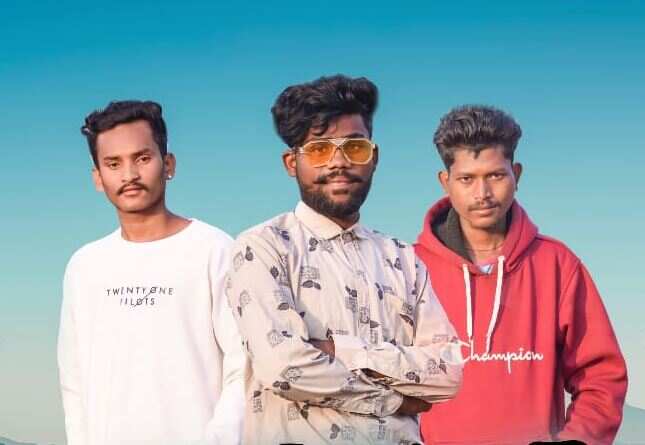
‘Boya Raja’, the rapper of this song and the resident of village Kumravan in Bastar district, is a happy teenager and hopes that one day the Halbi rap will become a ‘phenomenal identity’ of the region.
The hip hop scene is flourishing in the region.
“Boya in halbi means mad and Raja is King. I write about festivals and love. The aim is to encourage Halbi, which is the traditional language of tribes in this region,” said Lalit Kumar Kashyap, a tribal, famous as Boya Raja.
Kashyap is a great fan of Mumbai-based rapper Emiway Bantai and dreams that one day he will rap with him in Halbi.
“I have deep respect for my mother tongue Halbi and hence my aim is to make Halbi rap songs famous in the music industry. Till now, I have made only three songs, but things are going well,” said Kashyap, whose father is a marginal farmer.
Halbi, also known as Bastari, is an Eastern Indo-Aryan language and is spoken by tribes across the central part of India. It is written in Devanagari and Odia script, as per experts.
Kashyap, along with two of his friends, records the video and then gets it edited in studio in the nearest city of Jagdalpur.
“The rap scene in Halbi started a couple of years ago. There are around six young Halbi rappers and people across seven districts of Bastar and even in Odisha love Halbi rap songs. We all have a similar goal: to make our language Halbi famous and to give our tribal culture a new platform,” said Kashyap, who is writing a new song on Maoist problems in the Bastar region.
Till now most of the hip hop scene in the Bastar region is focused on love, betrayal, food and festivals.
The other famous halbi rappers are Rapper Ram, Rapper Anil and others.
“Initially, we focused on writing about common topics, but now we have decided to write on issues faced by our community in this Maoist-affected Bastar region,” said Suresh Kumar, a resident of Kondagaon district, one of the seven districts of Bastar region.
People in Bastar believe that rapping in Halbi is a new thing and surely it will help the local language and culture in many ways.
“I believe that rap songs are a very simple way of expressing emotions, rage and anger. The Halbi rappers in the region are amateurs but doing well...The people of Bastar, who mostly live in the jungles and mountains, are connecting with the outside world and this connection is also visible in the field of art. Bastaria rap songs have their own taste and in coming days there will be an art explosion internationally,” said Avinash Prasad, a filmmaker and writer, who directed the film in Halbi.
Shivnarayan Pandey, alias Koyla, a local artist who is working on Halbi language since last decade said the language is spoken in many parts of Bastar region, including Gondi, Dorli and other dialects.
“Halbi was a trade and state language of Bastar when kings used to rule this region. Halbi connects people and hence is popular in deep forests also. There is a history of songwriting and music in Halbi. I believe that if youth are doing it they should focus on purity. There are many words in Halbi which are extinct now and through these youths we believe that these words will come into existence again,” said Pandey.
-kW0H-U20214218012MgB-250x250%40HT-Web.jpg)


