India-China talks have sorted out a large part of the process of disengagement of troops on the Line of Actual Control (LAC) but the two sides continue to grapple with problems such as militarisation of the border and imbalance in bilateral trade, external affairs minister S Jaishankar said on Thursday
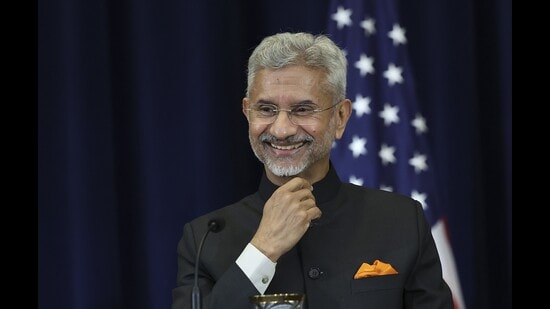
The deadly clash between Indian and Chinese troops at Galwan Valley in June 2020 affected the “entirety” of bilateral ties and the rest of the relationship cannot be insulated from such violence at the border, he said during a discussion at the Geneva Centre for Security Policy. Jaishankar was in Switzerland on the final leg of a three-nation tour that included Saudi Arabia and Germany.
Following dozens of rounds of diplomatic and military talks since the start of the military standoff on the LAC in April-May 2020, India and China have pulled backed frontline troops from some “friction points”. However, both sides have arrayed about 60,000 troops each in Ladakh sector of the LAC and the face-off has taken ties to a six-decade low.
Jaishankar said the two sides are continuing talks to find a solution to the standoff. Hours after he spoke in Geneva, National Security Adviser Ajit Doval met his Chinese counterpart Wang Yi on the margins of a Brics meeting in Russia to discuss the issue.
{{/usCountry}}Jaishankar said the two sides are continuing talks to find a solution to the standoff. Hours after he spoke in Geneva, National Security Adviser Ajit Doval met his Chinese counterpart Wang Yi on the margins of a Brics meeting in Russia to discuss the issue.
{{/usCountry}}“Those negotiations are going on, we have made some progress. Roughly, you can say about 75% of the disengagement problems are sorted out,” Jaishankar said.
“We still have some things to do, but there’s a bigger issue – that if both of us have brought forces close up, in that sense the level of militarisation of the border has increased. How does one deal with it?”