Nepal’s cable TV operators on Thursday yanked Indian news channels from their networks over coverage of the Chinese ambassador’s meetings with senior Nepalese leaders even as country’s envoy in New Delhi raised the media reports with the external affairs ministry.
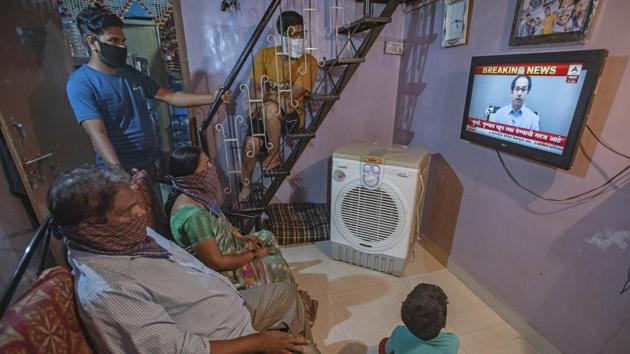
Multi-system operators (MSOs) such as Dishome, Mega Max, DSN and My TV decided to stop beaming Indian news channels in Nepal from Thursday, with the sole exception being state-run Doordarshan News.
People familiar with developments said on condition of anonymity that there was no official ban on Indian news channels by the Nepal government.
In a related development, Nepal’s ambassador Nilambar Acharya raised the issue of Indian media coverage of the Chinese envoy’s recent meetings with senior Nepalese political leaders and certain derogatory references in these reports during a conversation with the external affairs ministry, one of the people cited above said.
Dhruv Sharma, vice-president of Mega Max TV cable network, said Indian news channels were resorting to “exaggerated and uncontrolled propaganda” about Nepal, especially “objectionable” reports that referred to Prime Minister KP Sharma Oli and Chinese envoy Hou Yanqi.
Rajan Bhattarai, a member of the central committee of the ruling Nepal Communist Party and foreign affairs advisor to the prime minister, tweeted: “The news coming from Indian media against our PM and government after publication of new Map is condemnable. We completely reject their fabricated & fake reports. We urge them to respect Nepali government & people’s unified position on our sovereignty & national independence.”
{{/usCountry}}Rajan Bhattarai, a member of the central committee of the ruling Nepal Communist Party and foreign affairs advisor to the prime minister, tweeted: “The news coming from Indian media against our PM and government after publication of new Map is condemnable. We completely reject their fabricated & fake reports. We urge them to respect Nepali government & people’s unified position on our sovereignty & national independence.”
{{/usCountry}}Nepal’s information minister Yuba Raj Khatiwada was asked specifically during a news conference whether the government would ban Indian channels, and he replied it would be better if the media exercised self-restraint and provided accurate news instead of the government resorting to a ban.
However, he said the government will seek political and legal remedies against the Indian media’s reports that jeopardise the nation, nationality, sovereignty and self-respect of Nepali people.
“We also request the media not to disseminate news that infringes on the sovereignty and self-respect of Nepalis. This includes the media of neighbouring countries,” said Khatiwada.
The Chinese envoy in Kathmandu has had a series of meetings with the President and leaders of the Nepal Communist Party, including Pushpa Kamal Dahal “Prachanda”, who are seeking the ouster of Prime Minister Oli, who has been accused of poor governance. The move against Oli has come at a time when his government issued a new map showing the Indian territories of Kalapani, Lipulekh and Limpiyadhura as part of Nepal, thus triggering a border row with India.
The people cited above said the Nepalese political leadership was particularly irked by derogatory references to Oli and the Chinese envoy by an Indian news channel, which suggested the premier could be “honey trapped” by the ambassador.