E-Paper



Odisha announces free vaccine for 19.3mn people in 18-45 years group
17 Indian states including Madhya Pradesh, Chhattisgarh, Kerala, Goa, Uttar Pradesh, Jharkhand, Bihar and Tamil Nadu have decided to vaccinate their population against the coronavirus disease free of cost.

 Prefer HTon Google


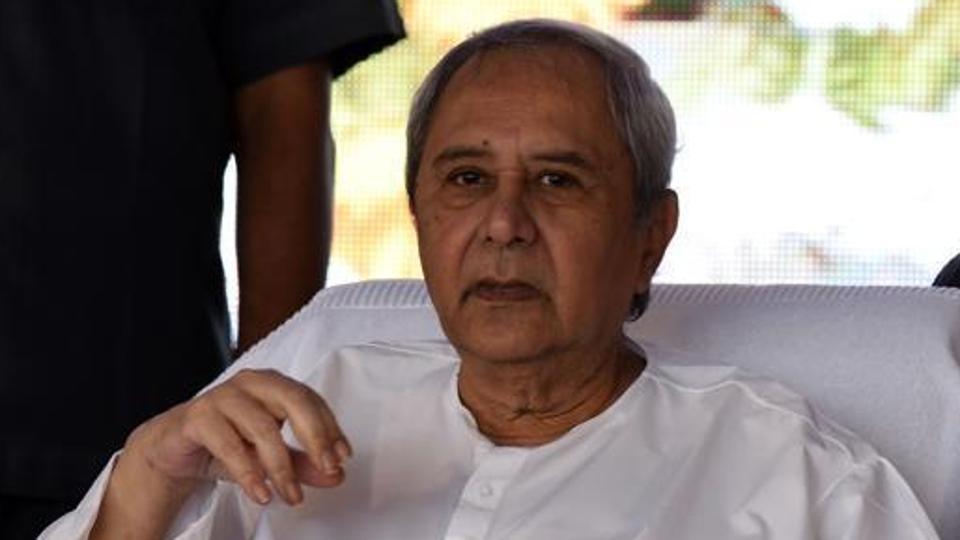
Odisha chief minister Naveen Patnaik on Sunday announced free vaccination for nearly 19.3 million residents, aged between18 and 45 years, in the third phase of the Covid-19 inoculation drive, at an estimated cost of ₹2,000 crore.
It was announced even as state officials feared the number of daily infections could go past the 10,000-mark by May first week, registering higher mortalities than the first wave, before declining significantly from June first week. With 6,599 new cases reported on Monday, the number of active cases in the state raced towards 50,000-mark, far higher than last year's peak.
So far 17 Indian states including Madhya Pradesh, Chhattisgarh, Kerala, Goa, Uttar Pradesh, Jharkhand, Bihar and Tamil Nadu have decided to vaccinate their population against the coronavirus disease free of cost. As on Sunday, the disease has killed 192,311 people in the country. The third phase of vaccination will begin from May 1.
Health department officials said the state has placed orders for 37.7mn Covishield doses from Serum Institute and 1.034mn doses of Covaxin from Bharat Biotech. Odisha State Medical Corporation will procure the vaccines from the two manufacturers at the prices fixed by them. Covaxin was being administered only to people in Bhubaneswar Municipal Corporation area while Covishield was being used in the rest of Odisha.
Patnaik said if the people do not become aware of their responsibilities, the government will not be able to fight against the pandemic all on its own. "I request you with folded hands to religiously follow all Covid appropriate protocols. Wear masks, maintain social distancing at all costs. Until very necessary, do not go out of the house. I request everyone to realise (that) this (is) a grave situation that we are currently going through. For me each and every life is precious,” he said
Due to the massive rise in Covid cases, the daily oxygen consumption in the state has surpassed the peak demand during the first wave of the pandemic last year. The peak oxygen demand in the Covid-ICUs was 23 metric tonne (MT) per day last year, but it has now gone past 37 MT per day.
"We expect the daily cases to cross 10,000 by the first week or latest by the second week of May and then plateau out for the entire month. Cases would start declining significantly from June first week," said a senior health official, giving a sense of the challenges ahead.
While Odisha has ample oxygen supply due to the presence of steel plants in the state, officials said the surge in Covid cases would still overwhelm the health infrastructure. "Though we have over 20,000 Covid beds in dedicated hospitals, Covid care centres, the caregivers are tired after battling the pandemic for over a year. There is a limit to which the healthcare workers can be stretched. They are trying their best to deal with the rising cases, but it is not easy," said a senior health official.
State industry secretary Hemant Sharma said Odisha is currently producing 350 tonne of liquid medical oxygen everyday in public sector and private sector steel plants at Rourkela, Angul, Dhenkanal and Kalinga Nagar. "Of the 350 tonne, we need 70 tonne everyday while 80 tonnes are being kept as dead storage. The rest 200 tonne are being sent to other states through tankers. If necessary, the oxygen production can be ramped up in no time," said Sharma.
Dr Sarit Kumar Rout, additional professor of Public Health Foundation of India, said though the health infrastructure in Odisha is adequate for the time being, it may not stand up to scrutiny when the expected peak comes in May first week.
"If we would have 10,000 cases and half of them require hospitalisation, the current bed availability may not be enough. But more importantly, we don't have adequate medical manpower to deal with rising cases. As it is, the distribution of medical manpower is skewed with urban areas having all the experts such as medicine specialists and pulmonologists. How would critical Covid patients get treatment in rural areas where pulmonary doctors and medicine specialists are almost absent," asked Rout.